The crypto market cap reaching $3.85 trillion marks a major milestone, showing strong growth driven by increased interest from retail investors and institutions. This growth reflects greater confidence and acceptance in the industry, despite some regulatory challenges. As more companies and financial firms adopt crypto, the market stabilizes and gains credibility. To understand how industry trends and regulations are shaping this momentum, explore how the landscape is evolving and what’s next for crypto.
Key Takeaways
- The crypto market cap reaching $3.85 trillion marks a significant industry milestone indicating growth and increased investor confidence.
- Rising institutional adoption and mainstream interest are key drivers behind this record market valuation.
- Regulatory developments, balancing innovation and security, impact market stability and future growth potential.
- Infrastructure improvements and clearer legal frameworks are essential for sustaining long-term industry expansion.
- The milestone reflects the industry’s maturation and evolving credibility among traditional financial sectors.

Despite recent fluctuations, the total value of the cryptocurrency market has surged to $3.85 trillion, marking a significant milestone. This rapid growth signals increasing interest from both retail investors and large institutions, but it also highlights ongoing hurdles, particularly around regulatory challenges and institutional adoption. As you observe these developments, it’s clear that the path forward isn’t just about market cap numbers—it’s about how the industry navigates complex legal landscapes and gains credibility among mainstream players.
Market cap hits $3.85 trillion amid regulatory hurdles and institutional growth.
Regulatory challenges remain one of the most significant obstacles for the crypto market’s continued expansion. Governments worldwide are trying to strike a balance between fostering innovation and protecting investors. You may notice that some countries embrace cryptocurrencies with open arms, creating clear frameworks that encourage growth. Others, however, implement stricter regulations or outright bans, which can cause market volatility and uncertainty. For you, understanding these regulatory environments is *essential*, especially as they influence market stability and access. Tighter regulations could mean more security, but they might also slow down innovation or limit certain investment opportunities. Conversely, a clear, supportive regulatory framework can boost confidence, attracting more investors and institutions to participate in the market.
Institutional adoption is another key factor behind the recent surge. More companies, hedge funds, and financial institutions are beginning to see cryptocurrencies as a legitimate asset class. You might have noticed major firms announcing Bitcoin holdings or launching crypto-related services. This shift from speculative trading to strategic investment adds credibility and stability to the market, making it less risky and more attractive for long-term investors. Institutional involvement also leads to increased liquidity, which helps reduce volatility—something that’s critical for wider adoption. As institutions get comfortable with the regulatory environment and develop infrastructure, you’ll likely see even more integration of crypto into traditional financial systems. Additionally, the development of market infrastructure and compliance standards is vital to supporting this growth.
The combination of evolving regulations and growing institutional trust fuels the market’s momentum. It’s not just about the total market cap hitting a new high; it’s about how these factors shape the industry’s future. As you follow these trends, keep in mind that the industry’s resilience depends on how well it adapts to regulatory demands and whether it can sustain the confidence of institutional investors. Together, these elements will determine if the crypto market can maintain its upward trajectory or face new hurdles ahead.

Ledger Nano X – Classic Crypto Wallet with Bluetooth
- All-in-One Crypto Management: Buy, sell, send, receive, swap, stake
- Supports 15,000+ Coins & Tokens: Manage a wide range of cryptocurrencies
- Market Monitoring Tools: Track performance and compare providers
As an affiliate, we earn on qualifying purchases.
As an affiliate, we earn on qualifying purchases.
Frequently Asked Questions
How Does Market Cap Influence Individual Cryptocurrency Prices?
Market cap dynamics directly influence individual cryptocurrency prices because a higher market cap often signals strong investor sentiment and increased confidence. When the market cap rises, demand typically grows, pushing prices up, and vice versa. As an investor, you’ll notice that fluctuations in overall market cap reflect shifts in sentiment, which can cause significant price changes for specific cryptocurrencies. Staying aware of these trends helps you make informed decisions.
What Factors Contributed to Reaching the $3.85 Trillion Milestone?
Imagine a bustling marketplace where waves of momentum lift the overall value. You see, institutional adoption and technological advancements gently fueled this rise, like a rising tide lifting all boats. These factors brought more confidence and innovation, attracting new investors and boosting mainstream acceptance. As a result, the total market cap grew to $3.85 trillion, reflecting a broad and optimistic shift in the crypto landscape that you can now witness firsthand.
How Does This Market Cap Compare to Traditional Financial Markets?
You’ll find that the crypto market cap of $3.85 trillion is still smaller compared to traditional finance markets like the stock market, which exceeds $90 trillion in market valuation. While crypto’s rapid growth signals strong investor interest, traditional markets remain dominant in size and stability. As you watch this space, remember that crypto’s valuation is rising quickly, but it hasn’t yet matched the scale of established financial markets.
What Are the Risks Associated With a Rapidly Growing Market Cap?
With a market cap soaring past $3.85 trillion, you face risks like regulatory challenges that could suddenly restrict growth and market volatility causing sharp price swings. This rapid expansion attracts scrutiny from authorities, which might lead to tighter rules, and the unpredictable nature of crypto prices can lead to significant losses. Staying aware of these risks helps you make smarter decisions in this fast-changing environment.
Which Cryptocurrencies Are Driving the Majority of This Market Cap Increase?
You should focus on the market cap leaders like Bitcoin and Ethereum, which drive the majority of the increase, along with altcoin dominance by coins such as Binance Coin, Cardano, and Solana. These cryptocurrencies are fueling the overall market cap growth, attracting investor interest and capital. Watching these key players helps you understand the market’s momentum, but remember, their dominance also brings risks of volatility and market shifts.

As an affiliate, we earn on qualifying purchases.
Conclusion
You see the crypto market reaching new heights, you witness the growth expanding, and you feel the momentum building. With a market cap of $3.85 trillion, you recognize the potential, embrace the opportunities, and understand the risks. This milestone isn’t just a number; it’s a signal, a challenge, and a chance. As the market evolves, you stay informed, stay alert, and stay ready to navigate the future of cryptocurrency.
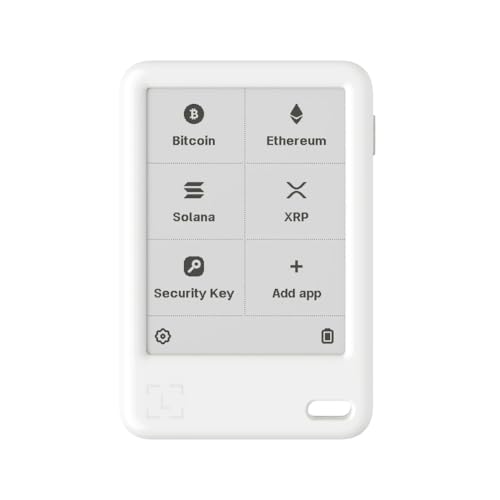
Ledger Nano Gen5 – Crypto Wallet – Securely Buy and Trade Digital Assets
- Genuine Check for Authenticity: Verify device authenticity easily
- Ledger Security Key: Manage all logins securely
- Transaction Scam Detection: Identify common scam attempts
As an affiliate, we earn on qualifying purchases.
As an affiliate, we earn on qualifying purchases.

Fintech Law and Compliance: A History and Operator’s Guidebook
As an affiliate, we earn on qualifying purchases.
As an affiliate, we earn on qualifying purchases.