

You might have noticed the recent turmoil in the crypto market, sparking questions about its stability. Bitwise's CIO draws attention to a significant divide between retail and institutional investors. While retail players often react impulsively, institutional investors seem to adopt a more strategic outlook. This difference begs the question: how will these contrasting approaches shape the future of digital assets? The implications could be far-reaching, so what does this mean for you?

As the crypto crisis unfolds, you might notice significant market volatility driven by recent U.S. tariff announcements, which have caused Bitcoin to plummet. This sharp decline isn't just a fluke; it reflects a broader trend where geopolitical issues and economic uncertainty push investors to seek refuge in alternative assets, including cryptocurrencies.
While this volatility can be unsettling, it highlights how sensitive the crypto market is to global economic policies. Despite this turbulence, there's a silver lining. Increasing institutional adoption of cryptocurrencies has emerged as a positive factor for long-term growth. Institutional players are becoming more involved, driven by clearer regulatory frameworks, especially those seen in the European Union. Additionally, analysts predict that Bitcoin may see a low of $89,000 before recovery, emphasizing the potential for further declines in the near term.
These developments are encouraging traditional financial institutions to engage with crypto, ultimately boosting market confidence. As regulations mature, you can expect institutions to step up their investments, balancing out the retail investor sentiment often swayed by immediate market fluctuations.
You might wonder how the U.S. fits into this picture. Under recent leadership, the U.S. has shifted toward a more pro-crypto stance, aiming to create a regulatory environment that nurtures innovation while protecting investors.
The SEC's establishment of a task force to develop a framework for digital assets signals a commitment to clearer regulations, which could attract even more institutional participation. As these trends unfold, the gap between retail and institutional investor behaviors becomes more pronounced, with institutions increasingly adopting crypto as a legitimate investment vehicle.
However, it's essential to maintain a long-term perspective, especially given the market's inherent volatility. Cryptocurrencies are considered risk assets, susceptible to sudden shifts in investor sentiment driven by global economic policies or geopolitical events.
While retail investors may react emotionally to price swings, institutional investors often take a more calculated approach.
The technological advancements in blockchain and the rise of stablecoins are also reshaping the landscape. As these innovations gain traction, the integration of digital assets into traditional financial systems will become more prevalent.
Additionally, with cryptocurrencies viewed as potential hedges against inflation and economic uncertainty, their appeal is likely to grow, particularly as global trade dynamics evolve.
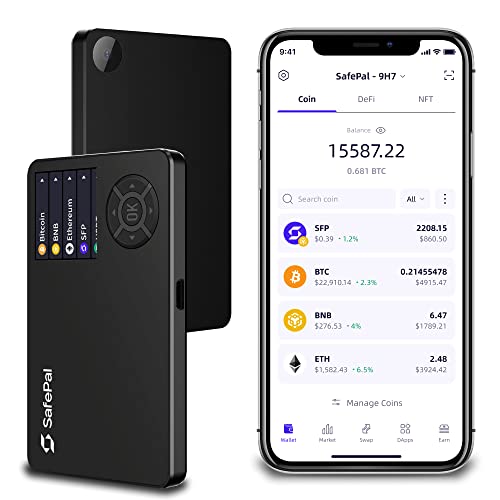
SafePal S1 Cryptocurrency Hardware Wallet, Open Source Crypto Wallet, Securely Stores Private Keys, Cold Storage for Bitcoin, Ethereum and More Tokens, NFTs, Seed Phrases & Crypto Assets
[100% off-line] SafePal S1 adopts an air-gapped signing mechanism, without any connection of Bluetooth, WiFi, NFC, or other…
As an affiliate, we earn on qualifying purchases.
As an affiliate, we earn on qualifying purchases.

Mastering Bitcoin for Starters: Bitcoin and Cryptocurrency Technologies, Mining, Investing and Trading – Bitcoin Book 1, Blockchain, Wallet, Business
As an affiliate, we earn on qualifying purchases.
As an affiliate, we earn on qualifying purchases.

EXPLORE THE CRYPTO UNIVERSE AND TRADE SAVVY: FOR THE NOVICE AND EXPERT. DEFINING DEFI. ALTCOINS.STABLECOINS. TOKENS. NFTS. WEB3. BRIDGING. STAKING. METAVERSE
As an affiliate, we earn on qualifying purchases.
As an affiliate, we earn on qualifying purchases.

12Pcs Trading Chart Pattern Posters Candlestick Pattern Poster Bulletin Board Crypto and Stock Market Trading Poster Office Decorations for Trader Investor Supplies Wall Door Decor 11 x 15.7 Inches
Package includes: This set includes 12 trading chart pattern posters and 100 adhesive dots, providing you with all…
As an affiliate, we earn on qualifying purchases.
As an affiliate, we earn on qualifying purchases.