

When geopolitical uncertainty rises, you’ll notice more demand for Bitcoin as an alternative investment. It’s trusted for its decentralization, offering protection outside traditional financial systems that may be vulnerable during conflicts or sanctions. As governments tighten regulations or face economic instability, Bitcoin becomes a safer haven and a way to preserve wealth. If you keep exploring, you’ll discover how these shifts impact global crypto adoption and what it means for your financial security.
Key Takeaways
- Geopolitical tensions increase investor interest in Bitcoin as a safe-haven asset outside traditional financial systems.
- Sanctions and currency restrictions boost demand for Bitcoin as an alternative means of value transfer.
- Regulatory uncertainty during crises can both limit and motivate Bitcoin adoption depending on oversight levels.
- Conflicts drive households and institutions to seek decentralized assets to preserve wealth amid economic instability.
- Enhanced security and encryption solutions make Bitcoin more attractive during geopolitical unrest and regulatory crackdowns.

When geopolitical tensions rise, investors often seek safe-haven assets to protect their wealth, and Bitcoin has increasingly become one of these options. As conflicts intensify and uncertainties grow, many see cryptocurrency as a way to hedge against traditional financial system vulnerabilities. Unlike fiat currencies, which can be directly affected by government policies and economic sanctions, Bitcoin offers a decentralized alternative that isn’t tied to any specific country or central authority. This appeal becomes especially significant when international sanctions are imposed. Countries or individuals subject to sanctions might find it difficult to access their bank accounts or convert their local currencies; in such scenarios, Bitcoin can provide a means of preserving and transferring value outside the reach of restrictive measures.
However, the relationship between Bitcoin and geopolitical crises isn’t entirely straightforward. Cryptocurrency regulation plays a vital role in shaping how safe or risky it is to rely on digital assets during turbulent times. Some governments are tightening rules around cryptocurrencies, citing concerns about illicit activities, money laundering, or evasion of sanctions. These regulations can limit access, increase reporting requirements, or impose restrictions on trading. Conversely, in regions where authorities are more lenient or lack robust oversight, Bitcoin’s appeal as a refuge grows, especially when traditional banking channels are compromised or monitored. The evolving landscape of cryptocurrency regulation influences how easily investors can move their assets, whether they’re fleeing conflict zones or safeguarding wealth from inflation and economic instability. Additionally, encryption solutions can provide an extra layer of security for transactions and asset management amidst fluctuating regulatory environments.

Bitkey Bitcoin Hardware Wallet – The Most Secure Way to Buy, Store and Manage Bitcoin
BITCOIN EXCLUSIVE: Bitkey is designed from the ground up exclusively for Bitcoin, offering a dedicated hardware wallet solution…
As an affiliate, we earn on qualifying purchases.
As an affiliate, we earn on qualifying purchases.
Frequently Asked Questions
How Does Geopolitical Uncertainty Impact Traditional Currency Values?
When geopolitical uncertainty arises, you’ll notice currency fluctuations as investor sentiment shifts toward safer assets. Uncertainty often weakens traditional currencies because investors lose confidence, seeking stability elsewhere. You might see rapid changes in exchange rates and increased volatility, reflecting the market’s reaction. Your decisions could be influenced by these fluctuations, prompting you to hedge risks or diversify holdings to protect against potential losses caused by political or global tensions.
Can Bitcoin Completely Replace Fiat Currencies During Crises?
They say, “Don’t put all your eggs in one basket.” While Bitcoin could play a role during crises, it won’t fully replace fiat currencies. As cryptocurrency adoption grows, digital currency stability improves, but Bitcoin still faces volatility and regulation hurdles. You should see it as a complement, not a complete substitute, because traditional currencies remain essential for everyday transactions and government control during unpredictable times.
What Role Do Government Regulations Play in Bitcoin Demand?
Government regulations substantially influence your demand for Bitcoin. When regulatory hurdles or compliance challenges increase, you might feel uncertain about investing or using cryptocurrencies, which can lower demand. Conversely, clear and supportive regulations can boost your confidence, encouraging more participation. Regulations shape how easily you can buy, sell, and use Bitcoin, affecting its accessibility and trustworthiness. Your perception of regulatory stability directly impacts your willingness to engage with Bitcoin in the market.
How Do Different Regions Respond to Geopolitical Instability With Cryptocurrencies?
When faced with geopolitical instability, regional investor behavior shifts toward cryptocurrencies like Bitcoin for stability and quick cross-border transactions. You might see increased demand in regions where traditional banking is unreliable, as people seek safe assets. Governments’ responses vary; some ban or restrict crypto use, while others promote it as a hedge. This dynamic influences how cryptocurrencies are adopted and utilized during times of crisis.
What Are the Long-Term Implications of Increased Bitcoin Demand During Geopolitical Crises?
Your increased Bitcoin demand during crises signals a shift toward greater investment stability and enhanced monetary sovereignty. This trend could lead to a more resilient financial system, a diversification of assets, and a reduced reliance on traditional currencies. As more people seek control over their wealth, long-term implications include wider adoption, stronger market influence, and a potential redefinition of global monetary dynamics, empowering individuals amid geopolitical instability.

Bitcoin and Cryptocurrency Technologies: A Comprehensive Introduction
As an affiliate, we earn on qualifying purchases.
As an affiliate, we earn on qualifying purchases.
Conclusion
In times of geopolitical storms, Bitcoin stands as your beacon—an anchor amid chaos. Its decentralized nature symbolizes freedom from traditional turmoil, offering shelter when governments shake and markets tremble. Just as a lighthouse guides ships through darkness, Bitcoin guides you through uncertainty, shining a light on stability in a fractured world. Embrace it now, for in this unpredictable landscape, it’s your steady compass, ensuring you navigate safely toward financial resilience.

TANGEM Wallet Pack of 2 – Secure Crypto Wallet – Trusted Cold Storage for Bitcoin, Ethereum, NFT's & More Coins – 100% Offline Hardware Wallet
THE HIGHEST LEVEL OF SECURITY: Tangem Wallet generates the private key that never leaves the card. Your crypto…
As an affiliate, we earn on qualifying purchases.
As an affiliate, we earn on qualifying purchases.
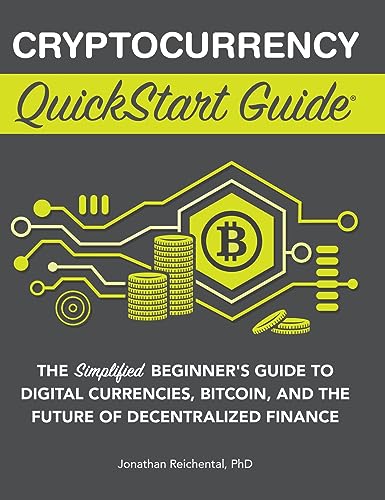
Cryptocurrency QuickStart Guide: The Simplified Beginner's Guide to Digital Currencies, Bitcoin, and the Future of Decentralized Finance
As an affiliate, we earn on qualifying purchases.
As an affiliate, we earn on qualifying purchases.