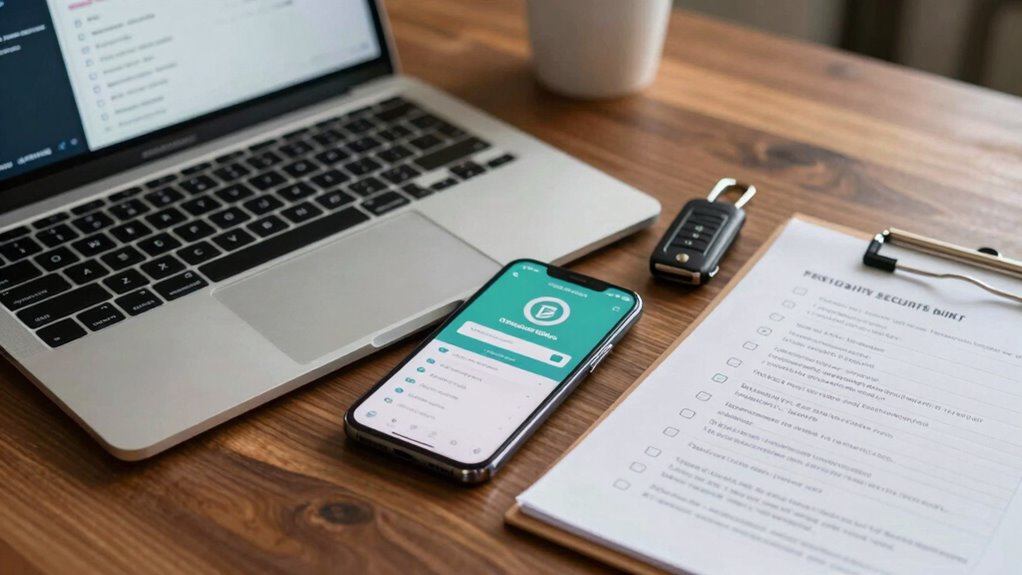

To build a personal crypto security checklist, start by never sharing your private keys or storing them in insecure places. Use hardware wallets or cold storage for offline safety and enable multi-signature features when possible. Strengthen account access with two-factor authentication, complex passwords, and two-factor authentication. Choose reputable, regulated platforms that follow security standards. Stay vigilant against phishing and scams by verifying sources. Keeping your devices and apps updated and staying informed on security trends will help you protect your assets more effectively.
Key Takeaways
- List secure storage options like hardware wallets and cold storage, and ensure regular offline backups.
- Enable two-factor authentication (2FA) on all crypto accounts and update passwords frequently.
- Verify the legitimacy of platforms, URLs, and sources before engaging or sharing sensitive information.
- Keep all software, wallets, and security tools updated to protect against vulnerabilities.
- Stay informed on current regulations, threats, and blockchain advancements to adapt your security practices.
In today’s digital landscape, safeguarding your cryptocurrency holdings is more crucial than ever. As the world of crypto evolves, so do the threats to your assets, making it essential to develop a solid personal security checklist. Staying ahead means understanding the current environment, which includes keeping up with cryptocurrency regulations that govern how digital assets are managed and protected. These regulations often change, and knowing them helps you avoid legal pitfalls and ensures you’re complying with the law. Additionally, blockchain technology advancements continue to improve security features, but they also introduce new vulnerabilities. Being aware of these technological developments allows you to leverage the latest security tools and practices effectively.
A good starting point is securing your private keys. Your private keys are the keys to your crypto kingdom—if someone gains access, they can control your funds. Never share your private keys or store them in unsecured locations. Use hardware wallets or cold storage options, which keep your private keys offline, making them less vulnerable to hacking. Always enable two-factor authentication (2FA) wherever possible, especially on exchanges and wallets. This extra layer of security helps prevent unauthorized access even if your password gets compromised. Regularly updating your passwords, using complex combinations, and avoiding reusing passwords across platforms further strengthen your defenses. Incorporating hardware wallets that support multi-signature features can provide an extra layer of security for your assets. Staying informed about current cybersecurity threats can help you recognize and prevent potential attacks. Additionally, understanding the importance of security standards that are upheld by reputable platforms ensures your investments are protected under recognized protocols.
It’s also essential to be cautious about your online presence. Phishing attacks are common in the crypto space, often disguised as legitimate communications or fake websites designed to steal your credentials. Always verify URLs, email addresses, and sources before clicking links or providing personal information. Be wary of unsolicited messages promising quick returns or asking for your private information. Use reputable exchanges and wallets that comply with current cryptocurrency regulations, which often include security standards and customer protections. These regulations help ensure that your platform of choice adheres to security best practices, reducing your risk of fraud and theft. Staying informed about regional flavors and trends can also help you identify unique scams or threats specific to your location.
As blockchain technology advances, new security features like multi-signature wallets and decentralized authentication methods emerge. Incorporate these tools into your strategy, as they add layers of security and reduce single points of failure. Regularly back up your wallet data and store copies in secure, offline locations. Keep your device software, wallet apps, and security tools up to date, as updates often include critical security patches. Understanding the role of color accuracy and contrast ratio in security is also essential, as visual indicators can help identify suspicious activity or phishing attempts. Staying educated on the latest trends and threats in the crypto world allows you to adapt your checklist, ensuring your assets stay protected amid a rapidly changing landscape. Building and maintaining a thorough personal crypto security checklist is your best defense against evolving threats and ensures your investments remain safe and under your control.

TANGEM Wallet Pack of 2 – Secure Crypto Wallet – Trusted Cold Storage for Bitcoin, Ethereum, NFT's & More Coins – 100% Offline Hardware Wallet
THE HIGHEST LEVEL OF SECURITY: Tangem Wallet generates the private key that never leaves the card. Your crypto…
As an affiliate, we earn on qualifying purchases.
As an affiliate, we earn on qualifying purchases.
Frequently Asked Questions
How Often Should I Update My Crypto Security Practices?
You should update your crypto security practices regularly, ideally every few months, to stay ahead of evolving cryptocurrency regulations and emerging threats. Keep an eye on changes in digital identity verification processes and implement necessary adjustments promptly. Regular updates guarantee your security measures remain effective against new scams or vulnerabilities, helping protect your assets and personal information in the fast-changing crypto landscape. Consistent review is key to maintaining strong security.
What Are the Best Tools for Securing Crypto Wallets?
Think of your crypto security tools as your digital armor. Hardware wallets are your fortress, securely storing private keys offline, making hacking nearly impossible. Pair them with password managers, which generate and store complex passwords for your exchanges and wallets, shielding you from breaches. Together, these tools create a strong defense, ensuring your crypto assets stay safe from cyber threats while you focus on growing your investments confidently.
How Can I Detect Phishing Attempts Related to Cryptocurrencies?
You can detect phishing attempts by scrutinizing emails for signs of a phishing email, like suspicious sender addresses or urgent language prompting action. Be cautious of fake wallet links that don’t match official sites. Always verify URLs before clicking, and avoid sharing private keys. Use multi-factor authentication and keep your software updated. Recognizing suspicious emails and fake wallets helps protect your crypto assets from scams.
Is Multi-Signature Necessary for All Crypto Holdings?
Multi-signature isn’t necessary for all crypto holdings, but it’s highly recommended for enhanced security. It requires multiple signatures to approve transactions, reducing the risk of theft. Using hardware wallets in combination with multi-signature setups offers even greater protection, keeping your private keys offline and secure. If you hold significant or valuable assets, adopting multi-signature can be a smart move to safeguard your investments effectively.
What Are Common Mistakes to Avoid in Crypto Security?
You might think clicking “remember password” on your browser keeps your crypto safe—think again. Common mistakes include neglecting hardware wallets for cold storage and relying solely on insecure passwords or unencrypted password managers. Never reuse passwords or share keys. Always enable two-factor authentication. Ignoring these basics makes your holdings an easy target. Stay vigilant, diversify your security measures, and don’t assume convenience outweighs security.

TANGEM Wallet Pack of 3 – Secure Crypto Wallet – Trusted Cold Storage for Bitcoin, Ethereum, NFT's & More Coins – 100% Offline Hardware
THE HIGHEST LEVEL OF SECURITY: Tangem Wallet generates the private key that never leaves the card. Your crypto…
As an affiliate, we earn on qualifying purchases.
As an affiliate, we earn on qualifying purchases.
Conclusion
Building a personal crypto security checklist is like assembling a fortress—you need strong walls, a solid gate, and vigilant guards. I once knew someone who thought their small investment was safe until a simple oversight led to a wallet hack. Remember, even the tiniest crack can let in trouble. Stay vigilant, update your defenses regularly, and treat your crypto like a valuable treasure—because, in the end, prevention is your best safeguard.

Michael Kors Jet Set Card Holder, Gold-Tone Hardware/Tonal MK Signature Coated Twill/Crimson Multi
Settle up in style with our sleek Jet Set card case. Crafted from Signature logo-print canvas with smooth…
As an affiliate, we earn on qualifying purchases.
As an affiliate, we earn on qualifying purchases.

Thetis Pro FIDO2 Security Key, Two Factor Authentication NFC Security Key FIDO 2.0, Dual USB A Ports & Type C for Multi layered Protection (HOTP) in Windows/MacOS/Linux, Gmail, Facebook,Dropbox,Github
Check FIDO2 compatibility before purchase – Known limitations: ID Austria is not supported (requires FIDO2 Level 2). Windows…
As an affiliate, we earn on qualifying purchases.
As an affiliate, we earn on qualifying purchases.