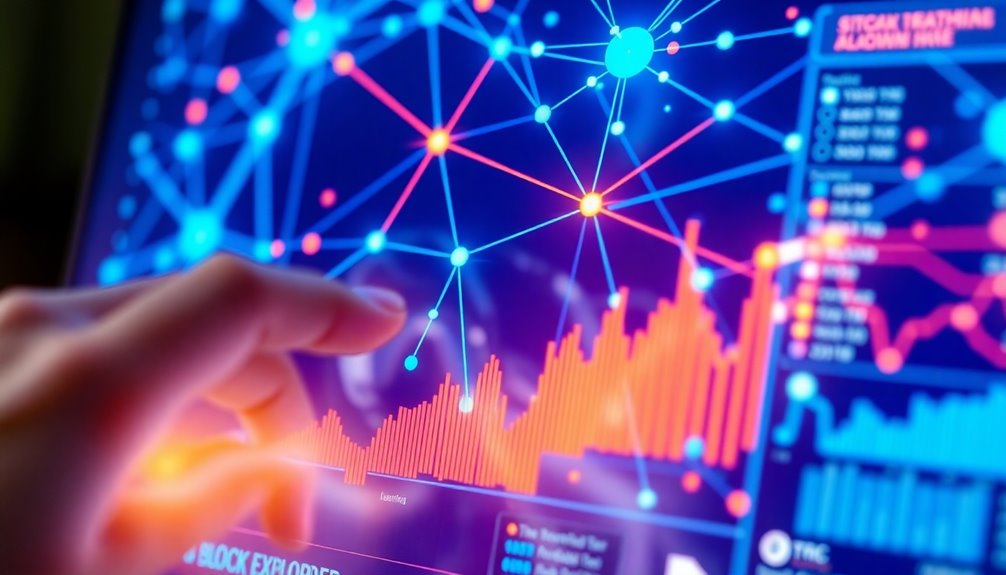

Automated smart-contract auditing tools use AI to analyze code quickly and spot vulnerabilities, saving you time and reducing human error. While manual reviews give detailed insights, AI tools can scan thousands of lines rapidly and catch common bugs or security risks you might miss. Combining both approaches offers the best security, with automated tools handling large-scale analysis and manual inspection providing context and verification. Continue exploring to discover how these methods work together effectively.
Key Takeaways
- Automated AI tools rapidly scan code for vulnerabilities, complementing manual review’s nuanced understanding.
- Manual auditing offers contextual insights, while AI detects patterns and common bugs at scale.
- Combining AI and manual methods enhances accuracy, reducing false positives and overlooked issues.
- Risk assessment methodologies help prioritize vulnerabilities identified by both manual and automated tools.
- A hybrid approach ensures comprehensive security coverage for blockchain smart contracts.

Smart-contract auditing tools are essential for guaranteeing the security and reliability of blockchain applications. When you’re working with smart contracts, you need to identify vulnerabilities before they can be exploited, which is where automated code analysis comes into play. These tools scan your code systematically, checking for common bugs, logic flaws, and potential security risks. Automated code analysis allows you to quickly evaluate complex contracts without manually reviewing every line, saving you time and reducing human error. It’s especially effective in early detection, flagging issues that might be overlooked during manual audits.
Beyond just scanning the code, robust auditing tools incorporate risk assessment methodologies to prioritize vulnerabilities based on their severity and potential impact. These methodologies help you understand which issues require immediate attention and which can be addressed later. By applying risk assessment techniques, you can allocate your resources more efficiently, focusing on the most critical security gaps first. This systematic approach ensures thorough coverage and helps you develop a clearer picture of your contract’s security posture.
Manual auditing, while invaluable for nuanced understanding, often struggles to keep pace with the rapid development cycles of smart contracts. Automated tools, on the other hand, can analyze thousands of lines of code in a matter of minutes, providing instant feedback. They can detect patterns and anomalies that might escape manual review, especially in large or complex contracts. However, automation isn’t infallible. It can sometimes generate false positives or miss context-specific vulnerabilities that require human judgment. That’s why combining automated analysis with manual review often yields the best security results.
The real power lies in how you use these tools together. Automated code analysis provides a solid foundation by quickly identifying known issues and suggesting potential risks. You can then follow up with manual inspection to interpret the context of those findings, ensuring nothing critical slips through. Well-designed tools also integrate risk assessment methodologies, helping you prioritize fixes based on the likelihood and impact of exploits. This hybrid approach enhances your overall security strategy, making your audits more thorough and efficient.
In essence, smart-contract auditing tools that leverage automated analysis and risk assessment methodologies empower you to catch vulnerabilities early, prioritize fixes effectively, and ultimately build more secure blockchain applications. They’re not just a convenience—they’re an essential part of your security toolkit, enabling you to stay ahead in a fast-evolving landscape where vulnerabilities can have costly consequences. Additionally, understanding Software Quality Assurance (SQA) techniques can help improve the overall reliability of your development process, ensuring higher quality in your smart contracts.
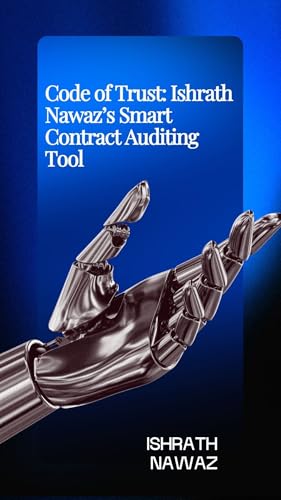
Code of Trust: Ishrath Nawaz's Smart Contract Auditing Tool
As an affiliate, we earn on qualifying purchases.
As an affiliate, we earn on qualifying purchases.
Frequently Asked Questions
How Do Manual and AI Tools Complement Each Other?
Manual and AI tools complement each other through collaborative workflows that enhance smart-contract auditing. You leverage AI for quick, thorough scans to identify common issues, saving time. Then, your expertise integrates with AI findings, allowing you to analyze complex vulnerabilities more effectively. This synergy ensures all-encompassing coverage, combining AI’s speed with your critical thinking, ultimately creating a robust, efficient audit process that minimizes risks and maximizes accuracy.
What Are the Limitations of AI Auditing Tools?
AI auditing tools can generate false positives, which may lead you to chase non-issues or overlook real vulnerabilities. Additionally, ethical concerns arise around data privacy and bias in AI algorithms, potentially impacting your trust in the results. While AI accelerates detection, it can’t fully substitute human judgment. Rely on a balanced approach, combining AI efficiency with manual expertise to ensure thorough and ethical smart-contract security assessments.
How Is Accuracy Measured in Smart-Contract Audits?
Think of accuracy in smart-contract audits as a meticulous code review, where you look for vulnerability detection gaps. You measure it by how well the tool identifies real issues without false positives, ensuring thoroughness and precision. The better the tool, the higher its detection rate and low false alarms, which means your smart contract is safer. Accuracy reflects how effectively the audit tool pinpoints vulnerabilities without missing critical flaws.
Can AI Tools Replace Human Auditors Entirely?
AI tools can’t fully replace human auditors because they might miss complex code vulnerabilities and struggle with regulatory compliance nuances. You still need human expertise to interpret subtle security issues and ensure your smart contracts meet legal standards. While AI speeds up detection and reduces errors, human judgment remains essential for thorough, reliable audits. So, blending AI with human oversight offers the best protection for your contracts.
What Are Emerging Trends in Smart-Contract Security?
You should watch emerging trends like decentralized finance (DeFi) and cross-chain interoperability, which are shaping smart-contract security. As these trends grow, expect more sophisticated security measures, including AI-driven tools that detect vulnerabilities across multiple blockchains. Staying updated on these developments helps you understand potential risks and guarantees your smart contracts remain secure, especially as DeFi expands and interoperability becomes more complex.
![Express Schedule Free Employee Scheduling Software [PC/Mac Download]](https://m.media-amazon.com/images/I/41yvuCFIVfS._SL500_.jpg)
Express Schedule Free Employee Scheduling Software [PC/Mac Download]
Simple shift planning via an easy drag & drop interface
As an affiliate, we earn on qualifying purchases.
As an affiliate, we earn on qualifying purchases.
Conclusion
So, you might think manual audits are the superhero of security, catching every flaw with eagle eyes. But surprisingly, AI tools—faster and tireless—are now the real guardians, often outpacing humans. It’s ironic, really—you trust a human to find all vulnerabilities, yet a machine, with no sleep or snacks, may just be your best bet. In this digital age, maybe the smartest move is letting AI do the heavy lifting while you sit back and relax.
manual smart contract review tools
As an affiliate, we earn on qualifying purchases.
As an affiliate, we earn on qualifying purchases.
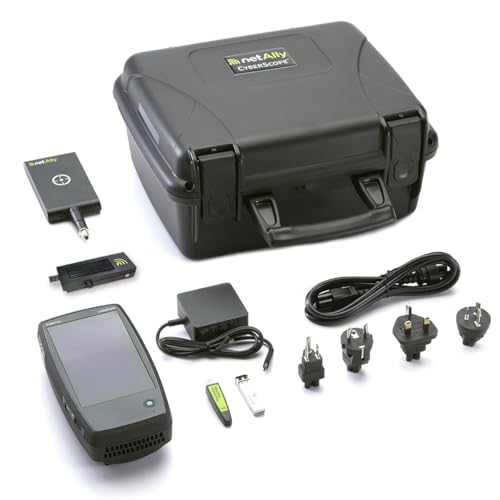
CyberScope Edge Network Vulnerability Scanner
Comprehensive site security assessment, analysis & reporting in ONE powerful, portable tool
As an affiliate, we earn on qualifying purchases.
As an affiliate, we earn on qualifying purchases.