

You're witnessing a pivotal moment in U.S. finance as Illinois introduces Bill HB1844, potentially becoming the first state to establish an official Bitcoin reserve. This move could reshape how states manage digital assets and finances. With other states like Texas and Florida eyeing similar initiatives, the implications extend beyond Illinois. What could this mean for the future of cryptocurrency in government finance?

Get hardware and tech essentials delivered free with Prime
- Fast, free delivery on millions of items
- Prime Video, Amazon Music and more included
- Member-only deals all year
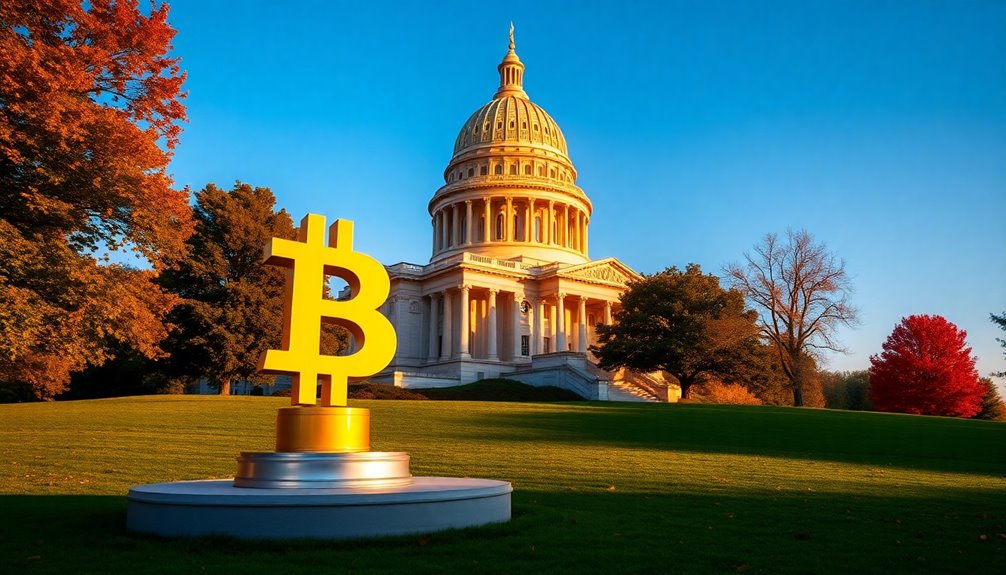
Illinois is making waves with its Bitcoin strategic reserve bill, HB1844, which aims to establish a special fund in the state treasury dedicated to holding Bitcoin. This legislation represents a bold step towards mainstream Bitcoin adoption in the U.S., signaling that Illinois is ready to embrace digital currency. The bill requires the state treasury department to hold Bitcoin for at least five years, ensuring a long-term commitment to this emerging asset class before considering any transfer, sale, or conversion.
As the bill awaits further regulatory details and legislative approval from the Rules Committee, its impact could extend beyond state lines. Other states are closely watching Illinois, with Texas and Arizona proposing similar Bitcoin reserve measures. Texas is looking to allow public funds to invest in Bitcoin, while Florida and Alabama are also exploring creating their own reserves, with Florida eyeing a significant investment from its surplus. This momentum illustrates a growing interest across the nation to incorporate Bitcoin into state financial strategies. States like Alabama and Florida are aiming to enhance economic development through blockchain technology.
Investing in Bitcoin isn't without its challenges. The volatility of the cryptocurrency presents both risks and opportunities for states like Illinois. While the potential for significant returns is enticing, the market's unpredictable nature can also lead to substantial losses. States like Michigan and Wisconsin have opted for Bitcoin ETFs instead of direct purchases, showcasing different approaches to integrating digital assets into their financial portfolios.
Beyond the immediate financial implications, this initiative is part of a broader diversification strategy. States see Bitcoin as a way to hedge against inflation and diversify their holdings. However, the success of such investments will depend on market conditions and the effectiveness of risk management strategies.
Regulatory challenges remain significant, given Bitcoin's decentralized nature, but clarity on regulations could pave the way for easier management of these reserves.
As Illinois pushes forward with its bill, the future looks promising yet uncertain. The potential economic benefits could include attracting tech companies and fostering innovation in the digital asset sector, but achieving public acceptance and understanding of Bitcoin is crucial.
With robust technological infrastructure needed for secure management, Illinois is taking a significant step that could position it as a leader in the Bitcoin reserve movement, encouraging other states to follow its lead.
As an affiliate, we earn on qualifying purchases.
As an affiliate, we earn on qualifying purchases.
As an affiliate, we earn on qualifying purchases.
As an affiliate, we earn on qualifying purchases.
Halloween Picks
halloween
As an affiliate, we earn on qualifying purchases.