
Avalanche’s subnet architecture lets you build independent blockchains tailored for your DeFi projects while leveraging the ecosystem’s security and interoperability. You can create specialized networks with unique rules, governance, and security measures suited to applications like DEXs or lending platforms. Cross-subnet communication protocols ensure seamless asset and data transfers. Managing multiple subnets boosts scalability and resilience. Keep exploring to discover how mastering this architecture can empower your DeFi innovations and address key challenges effectively.
Key Takeaways
- Avalanche’s subnet architecture enables tailored, scalable blockchains optimized for specific DeFi use cases.
- Subnets facilitate interoperability through standardized cross-chain communication protocols.
- Each subnet can implement its own security measures or leverage Avalanche’s shared security model.
- Multiple subnets support diverse DeFi applications like DEXs, lending, and derivatives within a secure ecosystem.
- Regular updates and coordinated security practices ensure resilience and efficient operation across all subnets.
Avalanche’s subnet architecture is a flexible and scalable framework that allows networks to operate independently while sharing the security and interoperability of the broader Avalanche ecosystem. This design gives you the power to create specialized blockchains tailored to specific DeFi applications, each with its own rules and governance. However, as you build multiple subnets, interoperability challenges can arise. Guaranteeing seamless communication between these independent networks is vital, especially when transferring assets or data across different subnets. Avalanche addresses this by implementing cross-subnet communication protocols, but you must carefully consider how these interactions are managed to avoid security pitfalls.
One of the core strengths of Avalanche’s subnet architecture lies in its subnet security models. Unlike traditional blockchains that rely on a single security layer, each subnet can adopt its own security measures. For DeFi applications, this means you can choose a security model that best fits your needs—whether it’s relying on Avalanche’s shared security or customizing validators for your specific subnet. While this flexibility is advantageous, it also means you need to be vigilant about potential security gaps. If a subnet’s security model isn’t robust enough, it could become vulnerable, risking the assets and data it manages. Consequently, understanding and implementing strong security protocols within each subnet is essential to maintain trust and resilience.
Avalanche’s subnet security models offer flexibility but require vigilant implementation to prevent vulnerabilities and maintain trust.
You also need to consider the interoperability challenges that come with creating multiple subnets. As each subnet can have different rules, consensus mechanisms, and security models, ensuring they work harmoniously isn’t always straightforward. Developing standardized communication protocols and enforcing strict validation processes helps mitigate these issues. For example, when transferring tokens or executing cross-chain smart contracts, you want to minimize delays and prevent exploits. This requires you to stay informed about Avalanche’s evolving interoperability tools and best practices, which are designed to facilitate smooth interactions while safeguarding against malicious activity. Staying updated on interoperability standards is essential for maintaining a secure and efficient DeFi ecosystem.
Moreover, Avalanche’s architecture allows you to customize subnets for specific DeFi use cases—such as decentralized exchanges, lending platforms, or derivatives markets—each with tailored security parameters. This flexibility enables you to optimize performance and security based on your application’s unique demands. However, balancing these factors across multiple subnets requires ongoing management, especially when updates or upgrades are necessary. Keeping security models aligned and interoperability protocols up-to-date ensures your DeFi ecosystem remains resilient, efficient, and secure. In the end, mastering the nuances of subnet security and interoperability will empower you to leverage Avalanche’s architecture fully while safeguarding your decentralized finance applications against emerging threats.

TANGEM Crypto Wallet Pack of 3 – Trusted Cold Storage Hardware Wallet
- Proven Security: 9+ years, military-grade EAL6+ security
- Easy Blockchain Access: Manage 90 blockchains with one tap
- Wide Cryptocurrency Support: Access 14,100+ coins, tokens, NFTs
As an affiliate, we earn on qualifying purchases.
As an affiliate, we earn on qualifying purchases.
Frequently Asked Questions
How Does Subnet Security Compare to Mainnet Security?
You’ll find that subnet security offers tailored risk mitigation compared to mainnet security. While mainnet benefits from a broad, well-established security model, subnets allow you to customize security features for your specific needs, reducing certain risks. However, this customization means you need to actively manage and monitor security measures. Overall, subnet security can be robust, but it requires careful configuration to match the security standards of the mainnet.
Can Subnets Interoperate With Other Blockchain Networks?
Yes, you can enable cross-chain communication and subnet interoperability with Avalanche. By connecting subnets to other blockchain networks, you facilitate seamless asset transfers and data sharing. This interoperability allows your DeFi applications to interact across multiple chains, expanding their reach and functionality. You’ll need to set up bridges or use compatible protocols to guarantee smooth cross-chain communication, making your ecosystem more versatile and integrated.
What Are the Costs Involved in Deploying a Subnet?
You’ll find that deploying a subnet involves certain costs, like initial deployment costs and ongoing operational expenses. These costs can vary depending on the complexity of your subnet, the resources it needs, and the security measures you implement. While the initial deployment might require investment in infrastructure and development, operational expenses cover maintenance, node operation, and transaction fees, making it essential to plan your budget accordingly for smooth, long-term performance.
How Scalable Are Avalanche Subnets for High-Volume Defi Apps?
Avalanche subnets are highly scalable for high-volume DeFi apps, handling thousands of transactions per second. You won’t face significant scalability challenges, as their architecture allows you to customize consensus mechanisms and optimize transaction throughput. This flexibility enables your app to grow seamlessly without bottlenecks, making Avalanche a reliable choice for demanding DeFi platforms that need to process large transaction volumes efficiently.
What Are the Customization Options for Subnet Consensus Mechanisms?
Your customization options for subnet consensus mechanisms are virtually limitless, offering a level of flexibility that’s out of this world. You can tailor subnet governance and choose from multiple consensus protocols, such as PoS, BFT, or even hybrid models, to suit your specific needs. This consensus flexibility lets you optimize security, speed, and decentralization, giving you complete control over how your subnet operates and evolves over time.
Avalanche subnet development kit
As an affiliate, we earn on qualifying purchases.
As an affiliate, we earn on qualifying purchases.
Conclusion
With Avalanche’s innovative subnet architecture, you gain a scalable and customizable platform for DeFi applications. By enabling developers to create specialized blockchains, Avalanche supports over 350,000 transactions daily, showcasing its robust capacity. This flexibility means you can tailor your DeFi projects to meet specific needs while enjoying rapid transaction speeds. Embracing Avalanche’s subnets puts you at the forefront of blockchain innovation, empowering your DeFi ventures with efficiency and scalability.
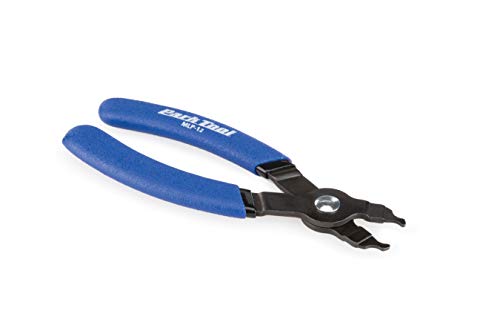
Park Tool Master Link Pliers MLP-1.2
- Updated Master Link Pliers: Enhanced version of original tool
- Universal Compatibility: Works with many non-Shimano chains
- Eases Chain Removal: Helps separate dirty or corroded links
As an affiliate, we earn on qualifying purchases.
As an affiliate, we earn on qualifying purchases.

The Web3 Security Auditor’s Handbook : Mastering Smart Contract Hacking, DeFi Protocols, and Solidity Vulnerabilities
As an affiliate, we earn on qualifying purchases.
As an affiliate, we earn on qualifying purchases.