To manage your crypto portfolio across multiple chains, diversify your assets to reduce risk and evaluate each chain’s security and features. Use reputable wallets and secure bridges, such as hardware wallets and multi-factor authentication, to protect your holdings. Stay updated on security practices and regularly review your investments based on market conditions. Following these strategies helps safeguard your assets — and if you keep exploring, you’ll discover even more effective ways to optimize your portfolio.
Key Takeaways
- Diversify assets across different blockchains to reduce overall portfolio risk and enhance stability.
- Evaluate each chain’s security features, scalability, and transaction fees before investing.
- Use reputable wallets and bridges with verified security records to transfer and store assets safely.
- Enable multi-factor authentication and regularly review security settings to protect assets from breaches.
- Continuously stay informed on security updates, market conditions, and adjust holdings accordingly.

Managing a crypto portfolio across multiple chains can seem intimidating, but with the right approach, it becomes much more manageable. The key is understanding how to balance your investments through asset diversification while ensuring cross chain security. When you spread your assets across various blockchains, you reduce the risk of losing everything if one chain faces issues or security breaches. Diversifying your holdings means not putting all your eggs in one basket—you might hold Bitcoin on one chain, Ethereum-based tokens on another, and perhaps some assets on newer or less-known chains. This way, even if one chain experiences a security incident or network congestion, your overall portfolio remains protected.
Diversify your crypto holdings across multiple chains to reduce risk and protect your portfolio from security breaches or network issues.
To effectively manage multiple chains, start by evaluating the unique features and risks of each blockchain. Some chains might have higher security standards, while others could offer better scalability or lower transaction fees. Recognize that each chain comes with its own security protocols, so you need to be vigilant about cross chain security. Use reputable wallets and bridges that have strong security track records to move assets between chains. Always verify the authenticity of bridge platforms before transferring assets, because malicious bridges or exploits can lead to loss of funds.
Asset diversification isn’t just about spreading your investments across different tokens; it also involves selecting the right chains. You want to avoid putting all your assets into a single, highly volatile chain without safeguards. Instead, consider a mix of established chains with solid security measures and some emerging chains that could offer higher returns but may carry more risk. This balanced approach helps in managing the overall risk profile of your portfolio.
Security measures are essential when dealing with multiple chains. Use hardware wallets for long-term storage, especially when holding significant assets. Enable multi-factor authentication on all your accounts and stay updated on the latest security practices. When using cross chain bridges, opt for those with transparent security audits and a good reputation. Regularly review your security settings and transaction histories to spot any suspicious activity early. Additionally, understanding the importance of high refresh rates can improve your user experience by reducing lag during transactions or interactions with blockchain apps.
Finally, stay informed about ongoing developments within different blockchain ecosystems. New vulnerabilities or security updates can impact your assets, so follow trusted news sources and community channels. Managing a multi-chain crypto portfolio requires diligence, but with a strategic approach to asset diversification and a focus on cross chain security, you can safeguard your investments and optimize your returns across the crypto landscape.
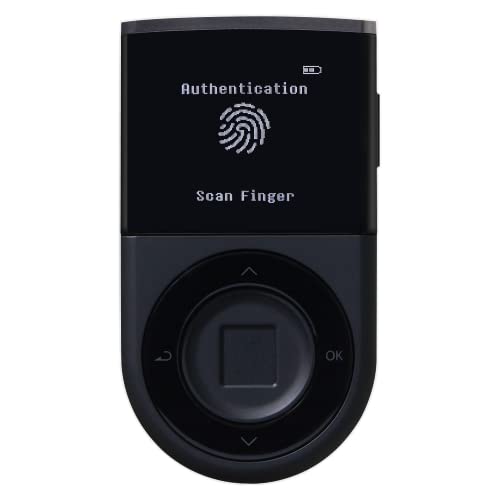
D'CENT Hardware Wallet – Biometric Cold Wallet for Crypto with Fingerprint Authentication | Secure Bluetooth Storage for Bitcoin, Ethereum, XRP, XDC, Solana, Stablecoins & More
UNMATCHED SECURITY WITH BIOMETRIC PROTECTION – Protect your crypto with certified EAL5+ Secure Element chip and advanced fingerprint…
As an affiliate, we earn on qualifying purchases.
As an affiliate, we earn on qualifying purchases.
Frequently Asked Questions
How Do I Ensure the Security of Multi-Chain Assets?
To guarantee the security of your multi-chain assets, you should stay vigilant about smart contract vulnerabilities and only interact with reputable platforms. Use hardware wallet integration to keep your private keys offline and protected from hacking attempts. Regularly update your device firmware, enable two-factor authentication, and avoid sharing sensitive info. By combining these strategies, you considerably reduce risks and keep your assets secure across multiple chains.
What Are the Best Tools for Tracking Multi-Chain Portfolios?
Did you know that over 80% of crypto users manage assets across multiple chains? To track your multi-chain portfolio, use tools like Zapper or Debank, which provide all-encompassing NFT tracking and DeFi integration. These platforms help you monitor assets across different blockchains seamlessly, giving you real-time insights, simplifying management, and optimizing your investments. They’re user-friendly and essential for staying on top of your diversified crypto holdings.
How Can I Optimize Tax Reporting Across Chains?
To optimize tax reporting across chains, you should regularly track your transactions and use specialized tax software that supports multi-chain data. Focus on tax loss harvesting to offset gains, and be aware of NFT tax implications, especially if you buy, sell, or trade NFTs across different networks. Keep detailed records of all your activities, and consult a tax professional familiar with crypto to guarantee compliance and maximize your benefits.
What Are the Risks of Holding Assets on Multiple Blockchains?
Like traversing a maze, holding assets on multiple blockchains exposes you to interoperability challenges and asset fragmentation. These risks can lead to lost assets, increased security vulnerabilities, and difficulty tracking your holdings. You might face delays when transferring assets or encounter incompatible standards. To stay safe, keep detailed records, use trusted bridges, and regularly verify your holdings across chains, avoiding the chaos of disjointed assets and ensuring smoother management.
How Do Cross-Chain Swaps Impact Portfolio Management?
Cross-chain swaps boost your portfolio management by enhancing blockchain interoperability and access to cross-chain liquidity. They let you seamlessly exchange assets between different blockchains without relying on centralized exchanges, reducing risks and saving time. This flexibility helps you balance your holdings more efficiently, diversify your investments, and respond quickly to market changes. Overall, cross-chain swaps make managing multiple assets across various chains more streamlined and agile.

Yubico – Security Key C NFC – Basic Compatibility – Multi-Factor authentication (MFA) Security Key and passkey, Connect via USB-C or NFC, FIDO Certified
POWERFUL SECURITY KEY: The Security Key C NFC is the essential physical passkey for protecting your digital life…
As an affiliate, we earn on qualifying purchases.
As an affiliate, we earn on qualifying purchases.
Conclusion
Managing crypto portfolios across multiple chains might seem intimidating, but with the right tools and strategies, you can stay ahead of the game. Keep your eyes open, stay organized, and don’t put all your eggs in one basket. Remember, a well-diversified portfolio can weather any storm. With patience and vigilance, you’ll turn the tide in your favor—just keep your finger on the pulse and adapt as the crypto world evolves.

Multi-Chain Money: Bridge Blockchains and Boost Your Wealth (Instant Crypto)
As an affiliate, we earn on qualifying purchases.
As an affiliate, we earn on qualifying purchases.

TANGEM Wallet Pack of 2 – Secure Crypto Wallet – Trusted Cold Storage for Bitcoin, Ethereum, NFT's & More Coins – 100% Offline Hardware Wallet
THE HIGHEST LEVEL OF SECURITY: Tangem Wallet generates the private key that never leaves the card. Your crypto…
As an affiliate, we earn on qualifying purchases.
As an affiliate, we earn on qualifying purchases.