📊 Full opportunity report: Remote Work And MSK Health: How Strength Tests Make A Difference on IdeaNavigator AI — validation score, market gap, and execution plan.

Get hardware and tech essentials delivered free — and shop member deals
- Fast, free delivery on millions of items
- Access to Prime Big Deal Days deals on October 6–7
- Prime Video, Amazon Music and more included
TL;DR

Employers and benefits providers are exploring at-home strength and mobility assessments via phone cameras to identify early MSK risks among remote employees. This approach aims to shift from reactive treatment to preventive care, addressing rising MSK-related costs.
Remote work strength tests using phone cameras are being developed as a new way to identify early musculoskeletal risks among employees working remotely or in hybrid setups. These assessments aim to help employers prevent costly MSK conditions before they develop into clinical episodes, addressing a key driver of rising healthcare costs for companies. The initiative is in the pilot phase, with plans to validate the approach through employer testing.
Remote and hybrid work arrangements have significantly reduced incidental movement and ergonomic office setups, leading to an increase in neck, back, and posture-related MSK problems among employees. Employers report rising medical claims and lost workdays linked to these conditions, yet lack lightweight, scalable tools to detect early signs of MSK decline in distributed staff. Existing programs typically react only after pain or injury occurs, missing opportunities for prevention.
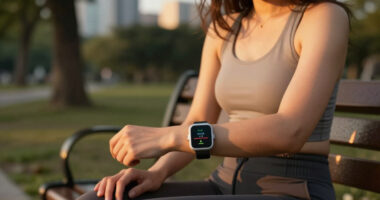
Advances in smartphone camera technology and pose estimation algorithms now enable guided self-assessments that can be performed at home without sensors or clinician oversight. These assessments involve a series of strength, mobility, and posture tests—such as sit-to-stand repetitions, shoulder and hip range-of-motion measurements, and seated posture photos—that are scored automatically to generate personalized MSK risk profiles. The goal: provide a quick, 10-minute screening that helps identify employees at risk before symptoms worsen.
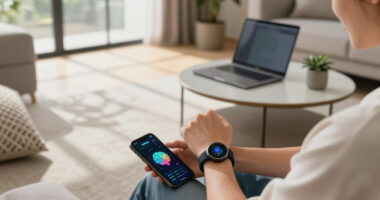
The initial product prototype involves a web or mobile app guiding employees through the tests, capturing movement via the phone camera, and delivering immediate feedback. Employers would access anonymized aggregate data to monitor team-level MSK risk trends and engagement. High-risk employees could then be referred to clinical MSK or physical therapy vendors for targeted intervention. The model is designed to be privacy-safe and scalable, with pilot deployments planned with one or two large employers over a 60-90 day period to validate scoring accuracy, engagement levels, and the correlation with established MSK assessment tools.
Potential for Preventive MSK Care in Remote Work
This innovation could shift employer approaches from reactive treatment to early prevention of musculoskeletal issues, reducing healthcare costs and improving employee well-being. By enabling early detection, companies can intervene before pain becomes chronic or leads to absenteeism, potentially lowering claims and enhancing productivity. The approach also aligns with the broader trend of digital health tools empowering employees to manage their own health proactively.
As an affiliate, we earn on qualifying purchases.
Rising MSK Problems Due to Remote Work Shift
The shift to remote and hybrid work has eliminated many incidental movements and ergonomic office setups that traditionally helped prevent MSK problems. As a result, reports of neck, back, and posture-related issues have surged, making MSK a leading driver of employer healthcare costs. Currently, most screening and intervention programs are reactive, addressing pain after it appears, which can be costly and less effective. The new approach leverages recent technological advancements to enable early, at-home assessments, filling a critical gap in preventive care for remote workers.
ergonomic office chair for remote work
As an affiliate, we earn on qualifying purchases.
As an affiliate, we earn on qualifying purchases.
Validation and Adoption Challenges for Remote MSK Tests
It remains unclear how accurately the camera-based assessments will correlate with traditional clinical MSK evaluations, such as the Nordic Musculoskeletal Questionnaire scored by physical therapists. Additionally, employer willingness to adopt and pay for these assessments, as well as employee engagement and privacy concerns, are still being tested during pilot deployments. The success of the approach depends on validation results and user acceptance, which are currently in development phases.
digital musculoskeletal assessment tool
As an affiliate, we earn on qualifying purchases.
As an affiliate, we earn on qualifying purchases.
Upcoming Pilot Programs and Validation Studies
Within the next 3 to 6 months, pilot deployments with one or more large employers are expected to commence, aiming to validate the scoring accuracy, engagement rates, and correlation with clinical assessments. Results from these pilots will determine whether the solution can be scaled more broadly and integrated into existing employee health programs. Further development may include refining the user experience, expanding assessment types, and establishing partnerships with clinical providers for referral pathways.
As an affiliate, we earn on qualifying purchases.
Key Questions
How accurate are the phone camera-based MSK assessments?
Validation studies are ongoing to compare camera-derived risk scores with established clinical assessments, but conclusive results are not yet available. The pilot phase aims to establish this correlation.
Will employees need special equipment to perform these tests?
No, the assessments are designed to be completed using only a smartphone or tablet camera, with no additional sensors or devices required.
What privacy measures are in place for employee data?
The system is designed to be privacy-safe, with anonymized aggregate data for employer dashboards and individual assessments stored securely, in compliance with privacy regulations.
How will employers use the results of these assessments?
Employers can monitor team-level MSK risk trends, identify high-risk individuals for referral, and track progress over time, integrating these insights into broader wellness initiatives.
Source: IdeaNavigator AI
Fall Picks
fall essentials
As an affiliate, we earn on qualifying purchases.