Bitcoin Ordinals and Inscriptions let you attach permanent, tamper-proof data—like images, text, or files—directly onto satoshis within the Bitcoin blockchain. This process transforms Bitcoin into a platform for digital ownership and collectibles without relying on external servers or tokens. By embedding data into the blockchain, you create immutable records that validate and secure your digital assets. Continue exploring to understand how this innovative method is reshaping digital asset management on Bitcoin.
Key Takeaways
- Bitcoin Ordinals allow attaching data like images or text directly to individual satoshis, creating permanent, tamper-proof digital assets.
- Inscriptions embed metadata into the blockchain, linking digital content to specific satoshis for verifiable ownership.
- This process transforms Bitcoin into a platform for digital art, documents, and collectibles without external servers.
- Inscriptions ensure content permanence, security, and transparency by recording data immutably on the Bitcoin blockchain.
- They establish a new paradigm of digital ownership, leveraging Bitcoin’s existing infrastructure for permanent, verifiable records.

Bitcoin Ordinals and inscriptions have revolutionized how digital content is stored and transferred on the blockchain. They introduce a new way to establish digital ownership directly on Bitcoin’s network, allowing you to attach data—such as images, text, or other files—permanently to individual satoshis, the smallest units of Bitcoin. Unlike traditional methods that rely on external servers or platforms, inscriptions embed content within the blockchain itself, making them tamper-proof and permanently accessible. This shift means you can now prove ownership of digital assets without relying on third-party services, leveraging the security and decentralization of Bitcoin.
Bitcoin inscriptions securely embed digital content directly on-chain, enabling tamper-proof ownership without relying on third-party platforms.
When you create an inscription, you’re fundamentally adding a piece of blockchain metadata directly onto a satoshi. This metadata isn’t just a simple label; it’s a meaningful, immutable record that links your digital content to a specific Bitcoin unit. Because of this, the process enhances the concept of digital ownership—you’re not just owning a file stored elsewhere; you’re owning a unique, inscribed satoshi on the blockchain. This method ensures the content remains tamper-resistant and verifiable, reducing the risks of loss, censorship, or forgery. With inscriptions, the data becomes a permanent part of the blockchain history, accessible and provable at any time.
The ability to embed data within the blockchain also opens up new opportunities for creators, collectors, and investors. You can mint digital art, certify documents, or store valuable information securely on-chain, with the assurance that it will never be lost or altered. Because each inscription is tied to a specific satoshi, you maintain a clear chain of custody—your digital ownership is directly linked to a particular piece of blockchain data, enhancing transparency and trust. This approach leverages blockchain metadata not just for transaction details but as a means to encode meaningful content that’s inseparable from the Bitcoin network itself. Additionally, understanding the process of data storage on blockchain can help users appreciate the robustness and permanence of inscriptions.
In reality, Bitcoin Ordinals and inscriptions turn Bitcoin into a platform for digital artifacts, where ownership is both provable and unchangeable. You don’t need special tokens or external platforms; instead, you utilize the existing Bitcoin infrastructure to establish a permanent, verifiable record of your digital assets. This innovation bridges the gap between traditional digital content and blockchain technology, offering a new paradigm for digital ownership rooted in the security and immutability of Bitcoin’s blockchain.
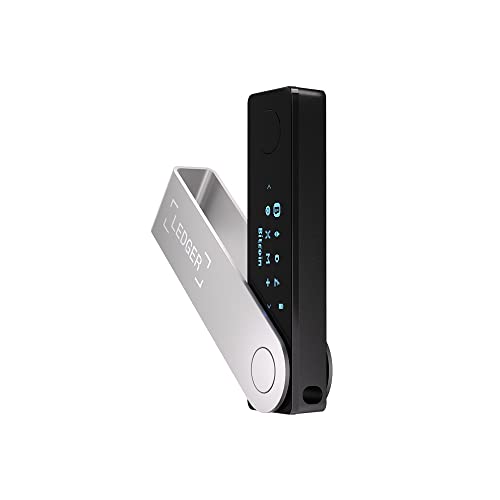
Ledger Nano X Crypto Wallet Signer – Securely Manage All Your Crypto Assets with This Bluetooth Enabled Classic – Onyx Black
- All-in-One Crypto Management: Buy, sell, send, receive, swap, stake
- Supports 15,000+ Coins & Tokens: Manage a wide range of cryptocurrencies
- Market Monitoring Tools: Track performance and compare providers
As an affiliate, we earn on qualifying purchases.
As an affiliate, we earn on qualifying purchases.
Frequently Asked Questions
Can Bitcoin Ordinals Be Transferred Between Different Blockchains?
No, you can’t transfer Bitcoin Ordinals between different blockchains directly. These inscriptions are tied to the Bitcoin blockchain, which creates interoperability challenges. Cross chain compatibility isn’t built-in, making it difficult to move these assets across different networks. To do this, you’d need specialized bridges or third-party solutions, but they often come with security risks. So, for now, Bitcoin Ordinals stay locked to the Bitcoin blockchain.
How Do Inscriptions Impact Bitcoin’s Network Performance?
Inscriptions can impact Bitcoin’s network performance by increasing data storage demands, which challenges blockchain scalability. When you add inscriptions, you’re effectively enlarging transaction sizes, leading to longer validation times and higher fees. This can slow down the network and strain storage capacity, making it harder for nodes to process and store all data efficiently. As a result, the network’s overall performance and scalability may be compromised over time.
Are There Privacy Concerns With Attaching Data to Ordinals?
Yes, attaching data to ordinals raises privacy implications because this data becomes permanently embedded on the blockchain. Once you’ve inscribed information, it’s public and can’t be removed, risking exposure of sensitive or personal details. You should be cautious about what you include, understanding that the data’s permanence means your privacy might be compromised over time. Always consider the long-term privacy implications before inscribing anything on the blockchain.
What Are the Costs Associated With Creating Inscriptions?
When creating inscriptions, you’ll face transaction fees that vary based on network congestion and the size of your data. Additionally, there are storage costs, since larger inscriptions require more space on the blockchain, which can increase fees over time. You should budget for both transaction fees during inscription creation and ongoing storage costs, especially if you plan to keep large or numerous inscriptions on the blockchain long-term.
Can Ordinals Be Permanently Removed or Altered After Inscription?
No, ordinals can’t be permanently removed or altered once inscribed, like carving your story into stone. Their digital permanence means your data is etched into the blockchain’s unchangeable fabric. Attempts at data modification or removal are like trying to erase ink from a stone—impossible without breaking the entire structure. You’re committing to a digital legacy that stays intact, safeguarding your inscription against the tides of time.
digital asset inscription hardware
As an affiliate, we earn on qualifying purchases.
As an affiliate, we earn on qualifying purchases.
Conclusion
Think of Bitcoin ordinals and inscriptions as your personal treasure chest on a vast digital ocean. Each inscription is a shining gem, uniquely yours, sailing through the blockchain currents. As you navigate this world, remember that these artifacts aren’t just data—they’re your legacy, a beacon of creativity and permanence. Embrace the voyage, knowing that with every inscription, you’re planting a flag in the infinite horizon of blockchain history.
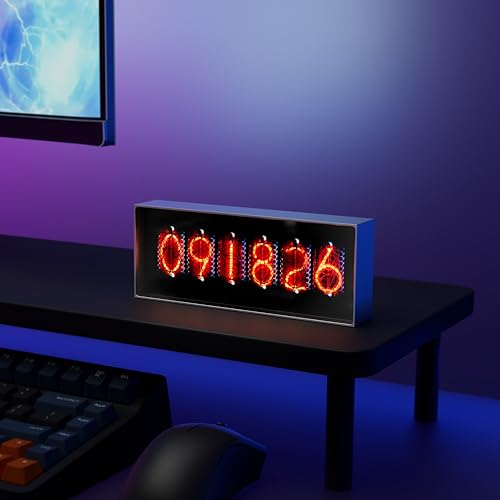
Electronic Display for Real-Time Cryptocurrency/Bitcoin/Stock Market Data, Time, Weather & Temperature, 164*28*65mm, Supports Image Upload and 30s Video Playback, App-Controlled, 960*360 Resolution
- Real-Time Data Display: Displays live cryptocurrency, stock, weather, and time
- Custom Media Uploads: Supports personalized images and 30s videos
- App-Controlled Management: Easily control via dedicated app
As an affiliate, we earn on qualifying purchases.
As an affiliate, we earn on qualifying purchases.
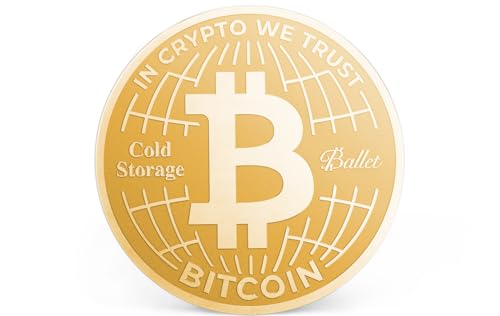
Ballet 24K Gold-Plated Bitcoin Cold Storage Coin Physical BTC Wallet
- Material: 24K Gold-Plated for Premium Look
- Offline Storage: No Electronics or Connectivity
- User-Friendly: No Seed Phrase or Password Needed
As an affiliate, we earn on qualifying purchases.
As an affiliate, we earn on qualifying purchases.