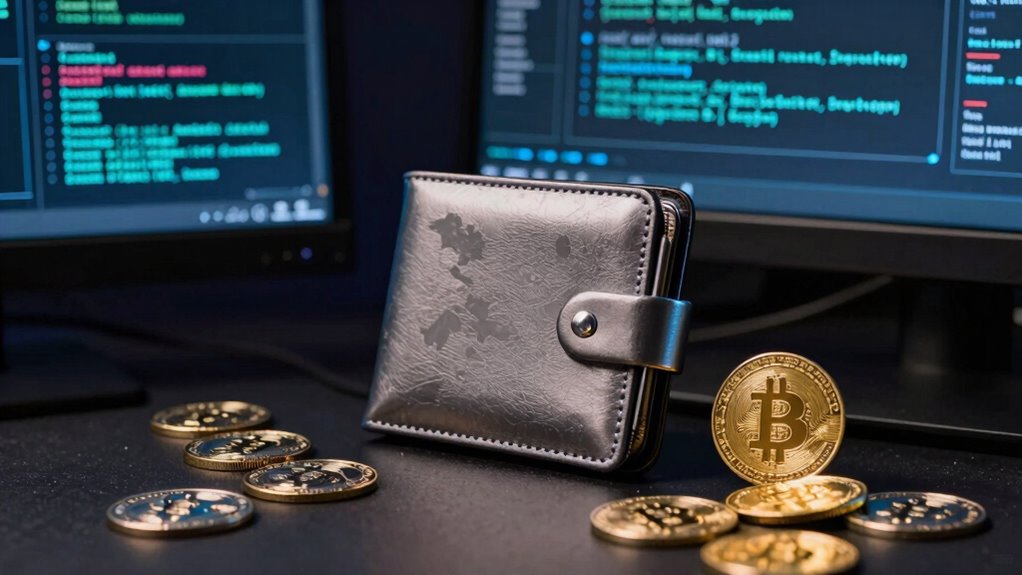

When securing your Bitcoin, you face a trade-off: you want strong protection without risking permanent loss. Cold storage options like hardware wallets and air-gapped devices keep your private keys offline, reducing hacking risks, but require diligent backups. Online or exchange storage is convenient but exposes you to cyber threats. Balancing security and responsibility is essential—manage backups carefully and stay vigilant. If you want to master these trade-offs and safeguard your holdings, there’s more to explore.

Get hardware and tech essentials delivered free with Prime
- Fast, free delivery on millions of items
- Prime Video, Amazon Music and more included
- Member-only deals all year
Key Takeaways
- Cold storage offers enhanced security but requires diligent backups to prevent permanent loss from damage or theft.
- Hardware wallets balance convenience with security but shift responsibility for safeguarding recovery seed phrases.
- Online and exchange storage increase hacking risks, making cold storage a safer option for long-term holdings.
- Managing backups and device security is crucial; losing private keys means irreversible loss of Bitcoin.
- Finding the right security approach involves balancing protection with ease of access based on individual capabilities.
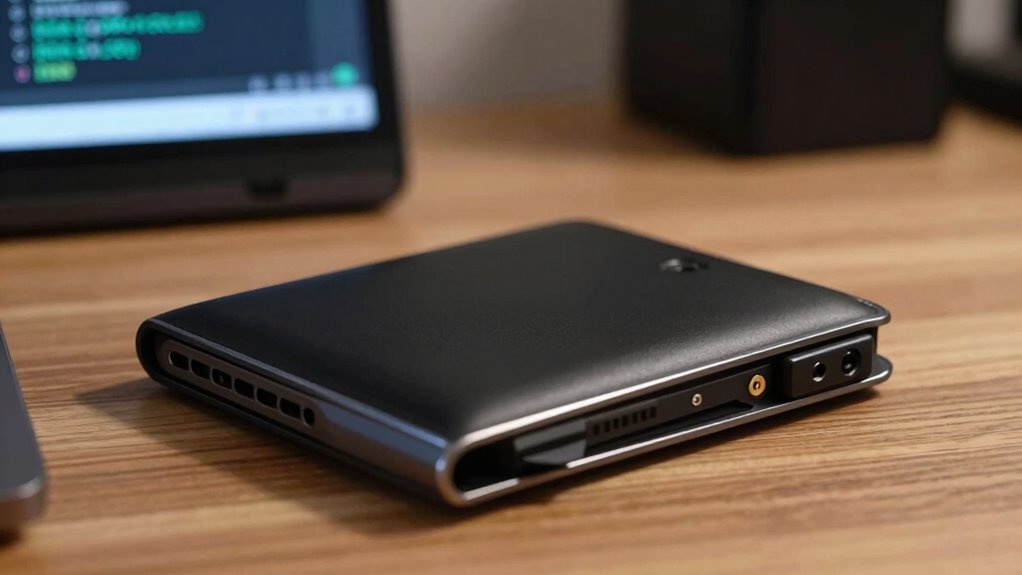
Bitcoin’s security comes with inherent trade-offs that users need to understand. While you can keep your funds safe from hackers, you also take on responsibilities that can lead to potential risks if not managed correctly. One of the most secure ways to store your Bitcoin is through cold storage, which keeps your private keys offline and disconnected from the internet. Cold storage options include hardware wallets, air-gapped computers, or even paper wallets. Among these, hardware wallets are particularly popular because they offer a balance of security and convenience. When you use a hardware wallet, your private keys are stored securely within a device, protected from malware and hacking attempts. However, this method isn’t foolproof. If you lose the hardware wallet or it gets damaged without a backup, you risk losing access to your Bitcoin forever. That’s why safeguarding your recovery seed phrase is essential; it’s the only way to restore your funds if your device fails. Additionally, understanding backups and recovery methods is crucial for ensuring your funds remain accessible in unforeseen situations.
While hardware wallets considerably reduce the risk of cyberattacks, they also shift some responsibility onto you. You must verify your device remains secure from theft or physical damage. If someone gains access to your hardware wallet and your recovery seed, they can steal your holdings. Conversely, storing your private keys online or on exchanges exposes you to hacking risks, since centralized platforms are more frequent targets. This is why many experienced users prefer cold storage solutions—they keep their private keys offline, away from potential online threats. But, with increased security comes increased responsibility: managing backups, ensuring the hardware wallet isn’t lost or damaged, and keeping recovery phrases safe from theft or accidental loss. proper storage practices are essential to prevent catastrophic loss, especially considering the irreversible nature of many mistakes. Moreover, familiarity with security best practices can significantly enhance your overall protection against evolving threats.
In the end, understanding these trade-offs helps you make smarter choices about how to secure your Bitcoin. Using cold storage and hardware wallets provides a high level of security but demands diligent management. You need to stay vigilant about safeguarding your backup phrases, keeping your hardware wallet secure, and understanding that losing access to your private keys means losing your Bitcoin. While these methods protect your funds from external threats, they also mean you’re responsible for the safety of your storage solutions. The key is finding a balance that aligns with your comfort level, security needs, and ability to manage backups properly. Recognizing these trade-offs empowers you to choose the right security practices, ensuring your Bitcoin remains safe while minimizing unnecessary risks.
As an affiliate, we earn on qualifying purchases.
Frequently Asked Questions
How Often Should I Update My Wallet Security Measures?
You should update your wallet security measures regularly, ideally every few months. This includes changing passwords, managing them securely, and ensuring they’re strong. Stay vigilant against phishing attempts by verifying links and sources before entering your details. Regular updates help prevent unauthorized access and keep your funds safe. Incorporate multi-factor authentication where possible, and stay informed about new security threats to enhance your overall security posture effectively.
What Are the Risks of Storing Bitcoin on Exchanges?
Storing Bitcoin on exchanges exposes you to risks like exchange hacking and custodial risks. If the exchange gets hacked, your funds could be stolen or frozen without warning. Custodial risks mean you don’t fully control your private keys, increasing vulnerability to insolvency or mismanagement. To minimize these dangers, consider transferring your Bitcoin to a secure, private wallet where you hold your keys, ensuring better control and safety.
Can Multi-Signature Wallets Prevent Theft?
Multi-signature wallets act like a digital safe, making theft much harder. With multisig authentication, you need multiple keys to access your funds, adding layers of security. This setup not only guards against hacks but also enhances wallet longevity, ensuring your Bitcoin stays protected over time. While no system is foolproof, multisig wallets markedly reduce the risk of theft, giving you peace of mind in your crypto journey.
What Is the Best Way to Recover Lost Private Keys?
The best way to recover lost private keys is to rely on secure backups and cold storage solutions. You should regularly create private key backups and store them in multiple, safe locations, like offline hardware wallets or paper backups stored in secure safes. Avoid keeping private keys solely online, as this increases the risk of theft. Properly managing backups and cold storage guarantees you can regain access if keys are lost.
How Do Hardware Wallets Compare to Software Wallets Security-Wise?
Hardware wallets generally offer better security than software wallets because they store your private keys offline, reducing hardware vulnerabilities. They’re less susceptible to hacking, malware, or software vulnerabilities. Software wallets, however, rely on software encryption, which can be compromised if your device gets infected. While hardware wallets provide a physical layer of protection, software wallets are more convenient but may expose you to higher risks if your device isn’t secure.
As an affiliate, we earn on qualifying purchases.
Conclusion
Just like the legendary Sphinx guards its secrets, your Bitcoin holdings demand vigilant protection. Every security measure you choose is a puzzle piece in safeguarding your treasure, but beware—each trade-off can either strengthen your defenses or open a chink in your armor. Remember, in the domain of digital gold, the greatest risk often lies in complacency. Stay informed, stay cautious, and keep your fortress secure—because in this game, knowledge is your strongest shield.
As an affiliate, we earn on qualifying purchases.
air-gapped computer for cryptocurrency
As an affiliate, we earn on qualifying purchases.
As an affiliate, we earn on qualifying purchases.
Columbus Day / Indigenous Peoples' Day Picks
long weekend sales
As an affiliate, we earn on qualifying purchases.