
TL;DR
Prime for Young Adults — start your free trial
Fast free delivery, streaming and member deals for eligible 18–24 year olds.
Try it freeAs an affiliate, we earn on qualifying purchases.
Crypto hardware wallets store your private keys offline, making them one of the safest ways to protect crypto assets. This guide covers their key features, recent innovations, and practical tips to avoid risks and make informed choices.
Imagine holding a treasure chest of gold—secure, offline, and safe from prying eyes. That’s what a crypto hardware wallet offers for your digital assets. Unlike keeping your crypto on an exchange or software wallet, a hardware wallet keeps your private keys away from the internet, where hackers lurk.
If you’re serious about safeguarding your crypto, understanding what makes these devices tick can save you from costly mistakes. In this guide, you’ll learn what crypto hardware wallets are, the latest features shaping their evolution, and practical tips to keep your assets secure.
Crypto hardware wallets keep private keys offline, drastically reducing hacking risk.
Always buy directly from manufacturers and keep your recovery seed offline and secure.
Latest wallets support DeFi, NFTs, and wireless connections—enhancing versatility.
Compare features like supported assets, security, and price before choosing.
Avoid common pitfalls like phishing and supply chain attacks to protect your assets.
What Exactly Is a Crypto Hardware Wallet? Think of It as Your Digital Safe
A crypto hardware wallet is a physical device designed to store your private keys securely offline. Think of it like a high-tech safe that only you can open, usually with a PIN or passphrase. When you want to send crypto, the device signs the transaction internally, never exposing your keys to the internet.
For example, if you own Bitcoin worth thousands, a hardware wallet like Ledger Nano X or Trezor Model T acts as your digital Fort Knox. It keeps your assets safe even if your computer gets hacked or infected.
Crypto hardware wallet Ledger Nano X
As an affiliate, we earn on qualifying purchases.
As an affiliate, we earn on qualifying purchases.
What Makes a Hardware Wallet Secure? Real Features, Real Protection
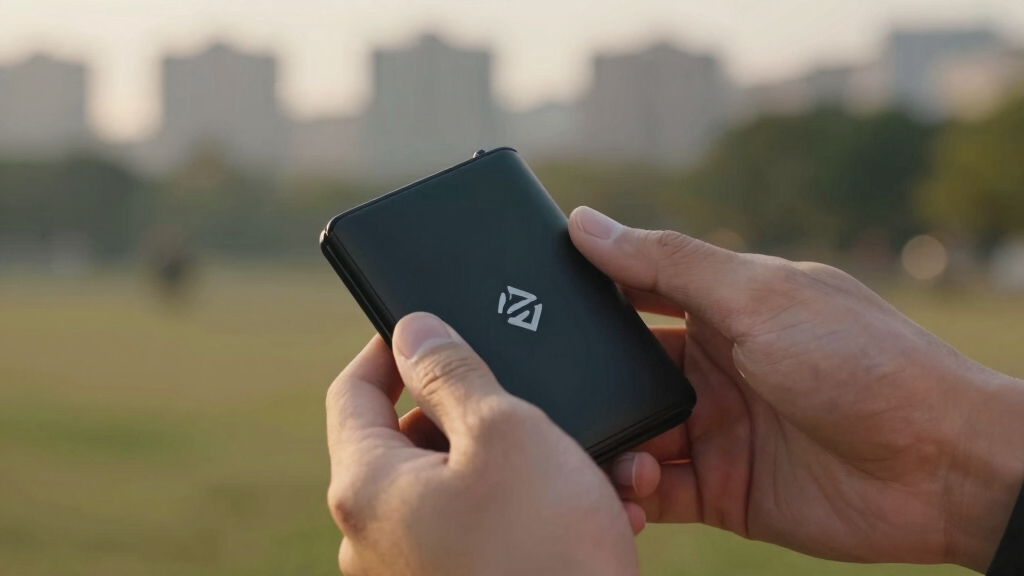
Crypto hardware wallets pack in security features that make them tough nuts to crack. Most have a secure element chip—the same tech used in passports and credit cards—to resist physical tampering. This chip isolates sensitive data from potential attacks, making it extremely difficult for hackers to extract private keys even if the device is physically compromised. Setting a PIN or passphrase adds an extra layer of protection by locking out unauthorized users at the hardware level.
Plus, they generate a recovery seed—a set of 12 or 24 words—that’s your backup if the device gets lost or damaged. Storing this seed offline, in a safe and private location, ensures that you can restore access to your assets if the device fails or is stolen. The tradeoff here is that if you lose the seed and the device, your assets could become unrecoverable; hence, secure storage and backup are crucial.
For example, a thief might steal your hardware wallet, but without your PIN or recovery seed, your crypto stays locked away. Conversely, if you lose both the device and seed, recovery becomes impossible, highlighting the importance of careful backup management.
best crypto hardware wallets Trezor Model T
As an affiliate, we earn on qualifying purchases.
As an affiliate, we earn on qualifying purchases.
Latest Innovations in Hardware Wallets You Should Know About
Crypto hardware wallets are constantly evolving. Recent updates include biometric authentication, like fingerprint scans, which provide a more seamless yet secure way to access your assets—eliminating the need for PINs and reducing the risk of shoulder surfing. Devices now support DeFi and NFTs, enabling you to interact with decentralized finance protocols and manage NFTs directly from your wallet, streamlining your digital asset management. This integration broadens the scope of what your wallet can do, but also introduces new attack vectors if vulnerabilities aren’t properly managed.
Some wallets, like Ledger Nano X, now offer Bluetooth or NFC for wireless connection—making transactions quicker and more convenient, especially when on the go. However, wireless features can increase attack surfaces, so understanding the security implications is important. Others focus on transparency with open-source firmware, allowing the community to review and identify vulnerabilities, which enhances security through collective scrutiny. Looking ahead, research into quantum-resistant cryptography promises even stronger defenses against future threats posed by quantum computing, which could potentially break current cryptographic standards if not addressed.
hardware wallet with secure element chip
As an affiliate, we earn on qualifying purchases.
As an affiliate, we earn on qualifying purchases.
How to Choose the Right Hardware Wallet: 5 Key Factors
Picking a hardware wallet isn’t just about brand names. Here are 5 factors that matter:
- Security features: Does it have a secure element or biometric options? These features determine how well your device can resist physical and digital attacks, and whether it can adapt to different security needs.
- Supported cryptocurrencies: Can it handle all your assets? Compatibility is vital, especially if your portfolio includes a wide range of tokens or emerging assets. A device supporting numerous coins reduces the need for multiple wallets, simplifying management.
- User interface: Is it easy to set up and use? An intuitive interface minimizes user errors, which are common security risks. Good UX design can encourage best practices and make complex operations straightforward.
- Open-source firmware: Is the software transparent for community review? Open-source code allows independent audits, increasing trust and security, as vulnerabilities can be identified and fixed faster.
- Price: Does it fit your budget without sacrificing security? While cheaper options may seem appealing, they might lack advanced features or robust security measures. Balancing cost and security is key to making an informed investment.
For instance, Ledger Nano X supports over 5,500 tokens, making it versatile for diverse portfolios, but its higher price reflects its extensive features. Meanwhile, Coldcard specializes in Bitcoin security, appealing to enthusiasts who prioritize maximum security over broad asset support.
As an affiliate, we earn on qualifying purchases.
Comparison Table: Ledger Nano X vs. Trezor Model T
| Feature | Ledger Nano X | Trezor Model T |
|---|---|---|
| Price | $149 | $169 |
| Supported Assets | Over 5,500 coins | Over 1,600 coins |
| Connectivity | Bluetooth, USB | USB, MicroSD |
| Security | Secure element chip, PIN, passphrase | Secure element chip, PIN, passphrase |
| Open Source | No (firmware closed, but verified) | Yes (firmware open-source) |
Common Pitfalls and How to Avoid Them
Even the best hardware wallet isn’t foolproof. Beware of supply chain attacks: buy directly from manufacturers or authorized resellers to avoid tampered devices. Tampering can occur at any point from manufacturing to delivery, potentially inserting malicious hardware or firmware that could compromise your private keys. Always verify the authenticity of your device upon receipt, and ensure it hasn’t been opened or altered.
Never share your recovery seed—store it offline in a secure, fireproof location. The recovery seed is the master key to your assets; if someone gains access to it, they can restore your wallet and steal your crypto. Conversely, losing this seed without a backup means losing access permanently. Protect it by keeping it offline, away from prying eyes, and avoid digital copies that could be hacked.
Phishing scams can also trick you into revealing seed phrases or PINs. Always double-check URLs and avoid clicking suspicious links. Educate yourself about common scam tactics, like fake websites or impersonation emails, to recognize and avoid these threats. For example, a user received a phishing email pretending to be from Ledger. They clicked a fake link and entered their seed, losing access to their $10,000 worth of crypto. Staying vigilant and verifying sources is essential to prevent such losses.
What Should You Do Now? Practical Steps to Secure Your Crypto
Ready to protect your crypto? Here’s a quick action plan:
- Research and choose a reputable hardware wallet based on your needs, considering security features, supported assets, and price.
- Order directly from the manufacturer or trusted resellers to ensure authenticity and avoid tampered devices.
- Set up your device in a secure environment, creating a strong PIN and avoiding public Wi-Fi or shared networks during setup.
- Write down your recovery seed carefully on paper, and store it offline in a secure, fireproof location. Consider multiple copies stored separately for redundancy.
- Transfer your assets from exchanges or software wallets to your hardware wallet, verifying each transaction carefully.
Following these steps boosts your security and peace of mind by minimizing attack vectors and ensuring proper backup procedures.
Frequently Asked Questions
Are hardware wallets worth the investment?
Absolutely. For anyone holding significant crypto assets, a hardware wallet offers unmatched security. While it costs upfront, it’s a small price for peace of mind against theft or hacking.
How do I set up a hardware wallet safely?
Start by initializing the device in a secure environment. Create a strong PIN, and carefully write down your recovery seed on paper—never digital. Store that seed offline in a safe, private place.
Can I use one hardware wallet for multiple cryptocurrencies?
Most hardware wallets support multiple coins, but always check compatibility before buying. Devices like Ledger Nano X support thousands of tokens, making them versatile for diverse portfolios.
What are common risks with hardware wallets?
Risks include physical damage, theft, supply chain tampering, and user mistakes—especially losing or mishandling the recovery seed. Proper storage and cautious behavior are key to safeguarding assets.
Is it safe to buy hardware wallets online?
Buy directly from the manufacturer or authorized resellers. Avoid third-party sellers who might sell tampered or counterfeit devices. Authenticity is vital for security.
Conclusion
Crypto hardware wallets act as your digital fortress—guarding your assets against online threats. The right device, combined with good security habits, can save you from heartbreak and loss.
Think of it like locking your valuables in a safe—only you hold the key. Keep that key safe, stay vigilant, and your crypto can stand the test of time.
Fall yard work Picks
leaf blowers
As an affiliate, we earn on qualifying purchases.