
You might find it intriguing that Gemini has decided to boycott hiring MIT graduates due to the university's decision to rehire Gary Gensler. This move highlights deep tensions between the tech and regulatory worlds, especially in cryptocurrency. As the industry grapples with concerns over innovation stifling, the implications of this boycott could extend far beyond hiring practices. What does this mean for the future of fintech and education?

Get hardware and tech essentials delivered free with Prime
- Fast, free delivery on millions of items
- Prime Video, Amazon Music and more included
- Member-only deals all year
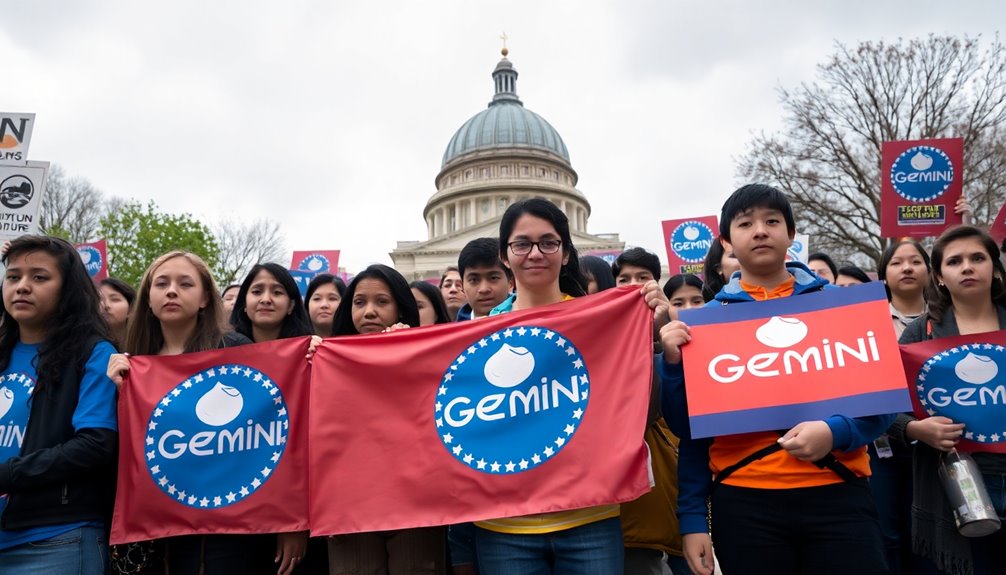
As Gemini announces a hiring boycott of MIT graduates, it underscores the growing tension between the crypto community and regulatory figures like Gary Gensler. Gensler's return to MIT as a Professor of the Practice, focusing on AI and finance, has sent ripples through the crypto world. Having previously served as the SEC Chair and CFTC Chair, Gensler is known for his regulatory enforcement, which many crypto advocates view as a direct threat to their innovation and growth.
Gemini's decision to boycott hiring MIT graduates stems from Gensler's past actions against crypto firms. Tyler Winklevoss, CEO of Gemini, has made it clear that this boycott is a stance against Gensler's influence within the academic institution. The move isn't just a symbolic gesture; it reflects a deeper concern that Gensler's leadership might hinder the spirit of innovation that MIT has historically embraced, particularly in blockchain and cryptocurrency. Gensler's role as co-director of FinTechAI@CSAIL further emphasizes his centrality in shaping the university's approach to emerging technologies.
The implications of this boycott could be significant for MIT. With Gensler co-directing the FinTechAI@CSAIL initiative, focusing on AI in finance, the university may face considerable backlash from students and alumni who are disappointed by his return. Many see Gensler's presence as a potential dampener on blockchain innovation, raising questions about the university's commitment to fostering a vibrant crypto ecosystem.
Social media is abuzz with anticipation as students prepare to challenge Gensler's views publicly. The crypto community is rallying behind Gemini's decision, echoing concerns that Gensler's past regulatory crackdowns could stifle new ideas and research in the crypto space. This controversy could ultimately affect MIT's reputation, particularly among crypto-related companies looking to collaborate with the university.
As the industry reacts, questions arise about the future of crypto-related research and education at MIT. Will Gensler's regulatory legacy overshadow the university's potential for fostering groundbreaking work in blockchain technology? The hiring boycott raises critical conversations about how institutions balance regulatory perspectives with innovative pursuits.
In the end, the controversy surrounding Gensler's return and Gemini's subsequent boycott highlights a pivotal moment for both MIT and the crypto community. It serves as a reminder of the delicate relationship between regulation and innovation, leaving many to wonder how this will shape the future of crypto education at one of the world's leading academic institutions.
Top picks for "gemini boycott over"
As an affiliate, we earn on qualifying purchases.
Halloween Picks
halloween
As an affiliate, we earn on qualifying purchases.