
TL;DR

Get hardware and tech essentials delivered free — and shop member deals
- Fast, free delivery on millions of items
- Access to Prime Big Deal Days deals on October 6–7
- Prime Video, Amazon Music and more included
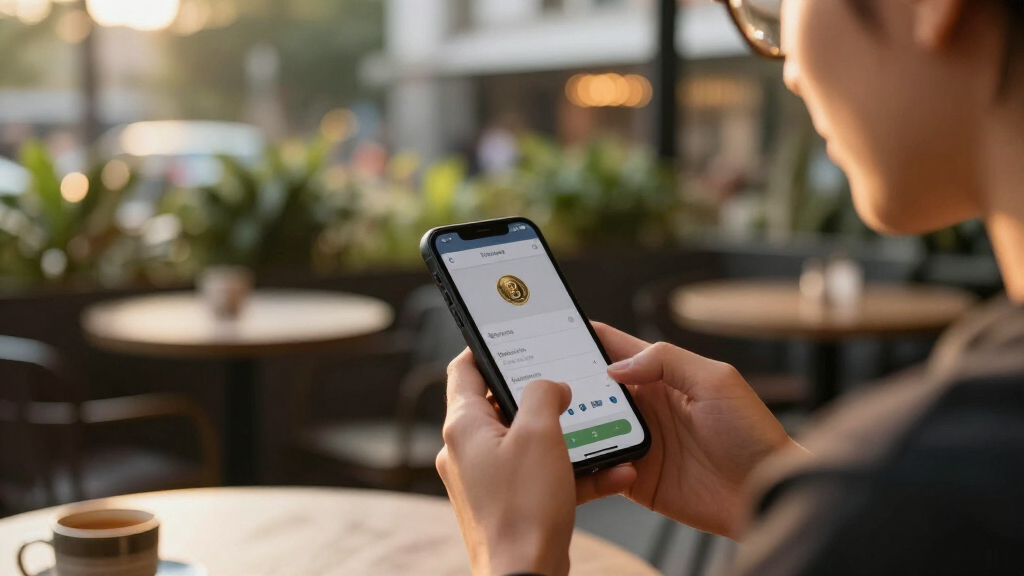
Increasing interest in stablecoin wallets indicates a shift in consumer money management, with some users favoring these digital assets over traditional bank accounts. This trend is driven by factors like faster transactions and fewer restrictions, but its long-term impact remains uncertain.
Recent market signals and coverage interest indicate that stablecoin wallets are increasingly being used as the main hub for consumer money, challenging the longstanding dominance of traditional bank accounts. While this trend is still emerging, it reflects a shift in how consumers manage and access their funds, driven by advantages like faster transactions and fewer restrictions.
Market observations show a spike in interest around stablecoin wallets, with more users reportedly using them for everyday transactions instead of traditional banks. These digital wallets, which hold cryptocurrencies pegged to stable assets like the US dollar, offer features such as near-instant transfer speeds and lower fees, making them attractive for consumers seeking more control over their money.
Financial analysts note that this shift is still in early stages but gaining momentum, especially among younger and tech-savvy demographics. Several platforms have reported increased user activity and inquiries about stablecoin-based solutions, signaling a potential reevaluation of banking norms.
However, experts caution that widespread adoption faces hurdles, including regulatory uncertainty, security concerns, and the lack of established consumer protections comparable to traditional banking systems. It is also unclear whether this trend will sustain or remain a niche phenomenon.
Implications for the Future of Banking and Payments
This emerging trend could significantly alter the landscape of consumer finance, potentially reducing reliance on traditional banks. If stablecoin wallets become mainstream, they could offer faster, cheaper, and more flexible alternatives for everyday transactions, remittances, and savings. Such a shift might challenge existing banking infrastructure and regulatory frameworks, prompting policymakers and financial institutions to adapt.
Moreover, the trend highlights a broader move towards decentralized finance (DeFi) solutions and digital assets, which could reshape how consumers interact with money and financial services. The extent of this impact remains uncertain, but the trend signals a possible paradigm shift in personal finance management.
As an affiliate, we earn on qualifying purchases.
Growing Interest in Digital Assets as Consumer Money Tools
Over the past year, there has been a notable increase in coverage and user interest in stablecoins and related digital wallet solutions. This interest is partly driven by broader adoption of cryptocurrencies, innovations in blockchain technology, and the appeal of decentralized finance. Historically, traditional bank accounts have served as the primary means for consumers to store and transfer money, but recent developments suggest a changing landscape.
While the trend is still in its early stages, some platforms report that a growing segment of users prefers stablecoin wallets for their daily financial needs, citing benefits like speed, ease of access, and fewer restrictions. This trend is also influenced by broader economic factors, including inflation concerns and banking fees, which motivate consumers to explore alternative options.
It is important to note that this pattern is primarily observed through market signals and coverage interest, not yet reflected in widespread consumer banking behavior or regulatory changes.
cryptocurrency wallet for stablecoins
As an affiliate, we earn on qualifying purchases.
As an affiliate, we earn on qualifying purchases.
Unconfirmed Extent and Long-Term Impact of the Shift
It remains unclear how widespread the adoption of stablecoin wallets will become and whether they will fully replace traditional bank accounts for most consumers. Regulatory developments, security issues, and consumer protections are still evolving factors that could influence the trajectory of this trend. Additionally, the long-term stability of stablecoins themselves amid market volatility is an open question.
Market signals and coverage interest suggest a rising trend, but concrete data on consumer behavior and institutional responses are still limited.
As an affiliate, we earn on qualifying purchases.
Monitoring Regulatory and Market Developments
Next steps include tracking regulatory responses to stablecoin usage, observing changes in consumer adoption rates, and assessing technological developments in wallet security and usability. Financial institutions and policymakers are likely to respond as the trend gains momentum, potentially shaping future frameworks for digital asset-based money management. Further research and surveys will clarify whether stablecoin wallets will become a main conduit for consumer funds or remain a niche alternative.
US dollar pegged stablecoin wallet
As an affiliate, we earn on qualifying purchases.
As an affiliate, we earn on qualifying purchases.
Key Questions
Could stablecoin wallets fully replace bank accounts?
It is too early to say. While interest is rising, widespread replacement would require regulatory approval, security assurances, and consumer trust, which are still developing.
What are the main advantages of stablecoin wallets over traditional banks?
Faster transaction speeds, lower fees, and fewer restrictions are among the key benefits cited by users exploring stablecoin wallets.
Are there risks associated with using stablecoin wallets?
Yes. Risks include regulatory uncertainty, security vulnerabilities, and the potential for market volatility affecting stablecoin value.
How soon might this trend impact mainstream banking?
The timeline is uncertain. While signals point to growing interest, widespread impact depends on regulatory, technological, and consumer acceptance developments.
Source: rss
Fall Picks
fall essentials
As an affiliate, we earn on qualifying purchases.