

🔍 Read the full analysis: 2027'S Top 12 AI Automation Platforms Ranked on ThorstenMeyerAI.com

Get hardware and tech essentials delivered free with Prime
- Fast, free delivery on millions of items
- Prime Video, Amazon Music and more included
- Member-only deals all year
TL;DR
A ranking from ThorstenMeyerAI.com compares 12 books and guides about AI automation, not the platforms themselves. It puts The AI Automation Blueprint first for its coverage of Make, Zapier and n8n, while emphasizing that the best resource depends on a reader’s technical skills, ecosystem and goals.
ThorstenMeyerAI.com has ranked 12 books and guides for people choosing or implementing AI automation platforms, naming The AI Automation Blueprint its top overall pick. The ranking assesses learning resources, not automation software products, and says readers should weigh ease of setup against flexibility, governance, integration depth and the ability to maintain workflows, as detailed in the original analysis.
The site says The AI Automation Blueprint ranks first because it covers no-code workflows across Make, Zapier and n8n, rather than concentrating on one platform. It recommends n8n Automation Platform for readers seeking more hands-on workflow design and integration guidance, and places Microsoft Copilot Studio User Guide for Beginners on a more accessible, Microsoft-focused learning path.
The ranking includes 12 titles, but the supplied source material names only those three. It also describes the other entries by category: some address platform engineering and data infrastructure, while others focus on agency-building or broader AI concepts. The source says those books may serve particular audiences, but are less directly useful for general platform selection.
ThorstenMeyerAI.com says it compared the resources for practical platform coverage, clarity for their intended skill levels, workflow and integration guidance, treatment of agents and governance, and usefulness in making platform decisions. Its ordering reflects those criteria and a broad-buyer perspective; it is not a ranking of software performance or a report of independent product testing.
The 12 picks
- 1
 Power Platform and the AI Revolution: Explore Modern AI Services to Develop A…View on Amazon →
- 2
 Agentic AI for Platform Engineering: Rethinking Developer Platforms with Agen…View on Amazon →
- 3
 Building Autonomous Data Platforms with AIView on Amazon →
- 4
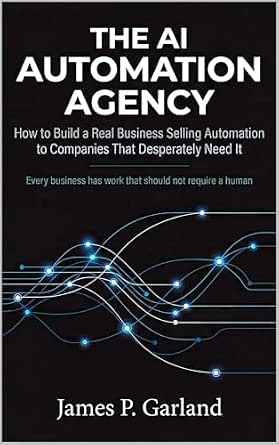 The AI Automation Agency: How to Build a Real Business Selling Automation to…View on Amazon →
- 5
 The AI Automation Blueprint: Building Systems and Income with AI-Powered Auto…View on Amazon →
- 6
 100 AI Automations That Save You 10 Hours a Week: How to Use Artificial Intel…View on Amazon →
- 7
 AI Tools and Platforms: A Comprehensive Guide to Machine Learning, Automation…View on Amazon →
- 8
 n8n Automation Platform: Workflow Design and System IntegrationView on Amazon →
- 9
 OpenAI and AWS Bedrock: Build Production AI Applications with Agents, Chatbot…View on Amazon →
- 10
 AI Categories and AI Platforms: Demystify and Unclutter Your AI RoadmapView on Amazon →
- 11
 The AI Automation Playbook with Claude AI: A Practical Guide to Building Auto…View on Amazon →
- 12
 Microsoft Copilot Studio User Guide for Beginners 2026View on Amazon →
How the Ranking Guides Platform Choices
The ranking matters because the label AI automation covers different needs: linking apps, designing workflows, adding model calls, and managing more autonomous agents. A guide that helps a beginner launch a visual workflow may not prepare a technical team to build or maintain a more customized system. The list’s central distinction is between ease of setup and flexibility, rather than a claim that one approach suits every organization.
For readers comparing tools, the source’s advice is to start with a representative workflow and check whether the platform supports the exact integrations, fields, permissions and actions it requires. Connector counts alone may not reveal those limits. Teams should also account for who will troubleshoot the workflow, how changes are tested, and whether run histories and error messages are clear enough for ongoing support.
Agent features bring additional operational questions. The source advises setting boundaries around data access, credentials and human approval, especially when automated systems can take actions across connected services. These considerations can affect whether a platform is suitable, regardless of how approachable its interface or learning materials may be.
Products Worth Considering

Logitech MX Keys S Combo Wireless Keyboard and Mouse, Graphite

Logitech MX Mechanical Wireless Illuminated Keyboard, Tactile Quiet, Graphite

Apple MacBook Pro 14.2-inch with M6 chip, Space Black
As an affiliate, we earn on qualifying purchases.
How the 12 Guides Were Compared
The ranking is framed as a guide to selecting learning resources, not as a software benchmark. ThorstenMeyerAI.com says it favored material that can help a broad range of readers make or implement a platform choice. That approach places cross-tool coverage high, while narrower guides can still be more suitable for readers already committed to a particular ecosystem or technical path.
The source separates business workflow automation from platform engineering and data infrastructure. It also distinguishes books about operating platforms from titles about using automation to build an agency or business. These subjects can overlap, but they do not answer the same reader question: how to choose and run a workflow platform.
Its practical guidance is to compare tools against a real process, including inputs, approvals, exceptions and final destinations, rather than relying on a polished demonstration. It also cautions that visual builders still require testing and ownership, while more customizable systems need people with the skills to support them.
“The right choice depends on your technical skills and how much control you need.”
— ThorstenMeyerAI.com
What the Ranking Does Not Establish
The supplied material does not identify the other nine titles by name, provide the full ordered list, or include publication and review dates. It also does not provide scores, a detailed assessment for each book, or evidence that the resources were tested against the same workflow. Readers cannot use the available information to verify every placement or compare all 12 entries individually.
The ranking evaluates books and guides, not the software platforms themselves. It does not establish which product performs best, what each platform currently costs, or whether a particular integration or governance feature is available in a buyer’s environment. Those details remain dependent on the products, plans and systems being considered.
Checks Before Choosing a Platform
Readers can use the ranking as an initial way to identify a learning path, then verify platform fit separately. The next step is to document one representative workflow and check required integrations, permissions, data handling, exception routes and approval points with the teams that own the connected systems.
Before a production rollout, the source recommends testing failure handling and confirming who will maintain the workflow. For agent-enabled processes, teams should define scoped access and human review before expanding a pilot. The supplied material does not announce a follow-up ranking or a future publication date.
Key Questions
What is ranked in the 2027 list?
The ranking compares 12 books and guides about choosing or implementing AI automation platforms. It does not rank the software products themselves.
Which resource is the top overall pick?
ThorstenMeyerAI.com names The AI Automation Blueprint first, citing its coverage of no-code workflows across Make, Zapier and n8n.
Who might prefer the n8n guide?
The source points to n8n Automation Platform for readers seeking more hands-on workflow design and system integration guidance.
Does the ranking show which automation platform is best?
No. It ranks learning resources and says the right platform depends on workflow needs, technical skills, integration requirements, governance and maintenance capacity.
What should teams check before adopting an AI automation platform?
Teams should test a representative workflow, confirm integration depth and permissions, and plan for testing, error handling and ongoing ownership. For agents, they should set data-access limits and approval rules.
Source: ThorstenMeyerAI.com