📊 Full opportunity report: DDR5 Now, DDR6 Soon: A Buyer’s Field Guide on ThorstenMeyerAI.com — validation score, market gap, and execution plan.

Get hardware and tech essentials delivered free with Prime
- Fast, free delivery on millions of items
- Prime Video, Amazon Music and more included
- Member-only deals all year
TL;DR
In 2026, DDR5 remains the practical choice for most users, with prices unlikely to drop soon. DDR6 is not yet ready for mainstream adoption and will be expensive at launch. Buyers should prioritize DDR5 now and wait for DDR6 until at least 2027 for specialized workloads.
DDR5 memory remains the recommended choice for most PC builders in 2026, as forecasts suggest that DDR6 will not be cost-effective or widely available until at least 2027. Despite ongoing hype, DDR6 is not yet a practical upgrade for mainstream users, and waiting for it could delay performance improvements and increase costs.
Market conditions in 2026 show that DDR5 memory is the best value for most consumers, with DDR5-6000 CL30 kits being the sweet spot for both AMD and Intel platforms. Prices for DDR5 have stabilized at a high level, and forecasts indicate that significant price drops are unlikely until 2028. DDR6, which promises higher bandwidth through architecture improvements, is not yet available for consumer desktops and will require entirely new platforms, including a new CPU socket and motherboard. The launch of DDR6 is staged, starting with enterprise and AI servers in 2026–27, with mainstream adoption not expected until 2027 or later.
Buying DDR4 in 2026 is discouraged, as DDR4 is approaching end-of-life, and its cost is comparable to DDR5, but it will not be supported on future platforms. For most users, building with DDR5 now offers better longevity and performance.
DDR5 now, DDR6 soon
A buyer’s field guide. The 20-year instinct — wait for prices to drop, or wait for the next generation — is broken this cycle. Buy the DDR5 you actually need now; don’t wait for DDR6. Here’s the reasoning.
Driven to end-of-life, production slashed. Same money, dead-end socket. Leave a working DDR4 box alone — but never start a new build on DDR4 to “save.”
A framework, not a gamble. Buy the DDR5 you need now, at the sweet spot, in the capacity you’ll actually use — don’t buy DDR4, don’t wait for DDR6. The two costliest mistakes in this market are the ones that feel prudent: waiting for a price drop that isn’t coming, and waiting for a next-gen part that launches dearer than what’s on the shelf. Next: The SSD Squeeze.
Why DDR5 Is the Best Choice for 2026 Builds
Choosing DDR5 now ensures compatibility with current and upcoming platforms, avoiding the higher costs and limited capacities associated with DDR6 at launch. Waiting for DDR6 delays upgrades and incurs higher expenses, especially since DDR6’s benefits are mainly relevant for specialized, high-bandwidth workloads. This guidance helps consumers make cost-effective decisions in a market marked by shortages and high prices, avoiding premature upgrades that may become obsolete quickly.Products Worth Considering

Apple MacBook Pro 2026 14.2 Laptop with M5 Pro chip, 15‑core CPU, 16‑core GPU, 24 GB Unified Memory, 1 TB SSD, Wi‑Fi 7 – Silver

LG UltraGear 24-Inch Full HD IPS Gaming Monitor, 144Hz Overclocked, 1ms MBR, G-SYNC Compatible, FreeSync, HDR10
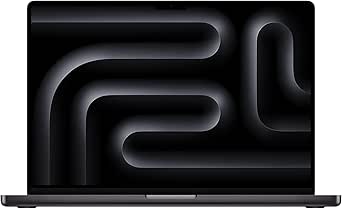
Apple MacBook Pro 16.2-inch with M5 Pro, 18-core CPU, 20-core GPU, 48GB Memory, and 1TB SSD (Space Black)
As an affiliate, we earn on qualifying purchases.
Market Trends and Future Memory Developments
The 2026 memory market is characterized by persistent shortages and high prices for DRAM modules, driven by supply chain issues and increased demand. Historically, new memory standards like DDR4 and DDR5 followed a slow adoption curve, but current forecasts suggest DDR5 will dominate for several years, with DDR6 only emerging in enterprise and high-end computing environments initially. DDR6’s architecture introduces significant improvements, including four sub-channels and higher transfer speeds, but these are not yet relevant for mainstream consumers. The transition to DDR6 will be gradual, with widespread adoption not expected until around 2030. In the meantime, DDR4 is being phased out, and building on DDR5 remains the most practical option.“DDR6 is progressing through standardization, but actual products won’t be available until late 2026 or early 2027, and initial modules will be expensive and limited in capacity.”
— Industry sources familiar with JEDEC standards
Remaining Unknowns About DDR6 Adoption and Pricing
It is not yet clear how quickly DDR6 modules will become affordable or how the platform ecosystem will adapt, including motherboard and CPU support. Market conditions, supply chain factors, and manufacturing costs could influence the actual launch prices and capacities, but these details are still emerging. Additionally, the impact of DDR6 on specific workloads and whether early adopters will see tangible benefits remains to be seen.Upcoming Milestones for DDR5 and DDR6 Markets
The next steps involve monitoring JEDEC standardization progress, motherboard and CPU compatibility announcements, and initial DDR6 module releases. Consumers should watch for validation of DDR6 standards and early product listings, which will clarify pricing and capacity expectations. Meanwhile, DDR5 will continue to be the primary memory standard for mainstream builds through 2028, with incremental price adjustments and performance improvements expected.Key Questions
Should I buy DDR4 memory in 2026 to save money?
No. DDR4 is being phased out and will not be supported on future platforms. Building with DDR4 now may limit future upgrade options and compatibility.
When will DDR6 be available for mainstream desktops?
DDR6 is expected to arrive in mainstream desktops around 2027, but initial modules will be expensive and limited in capacity. Full adoption may take until 2030.
Is it worth waiting for DDR6 to save money?
Probably not. Forecasts suggest that DDR5 prices will remain high until at least 2028, and waiting may delay your upgrade and cost more in the long run. DDR6 offers benefits mainly for specialized workloads, not everyday use.
What should I consider when buying DDR5 in 2026?
Focus on DDR5-6000 CL30 kits, which offer the best value. Match capacity to your workload—32GB for general use, 64GB for content creation—and avoid overspending on higher speeds or capacities you don’t need.
Source: ThorstenMeyerAI.com