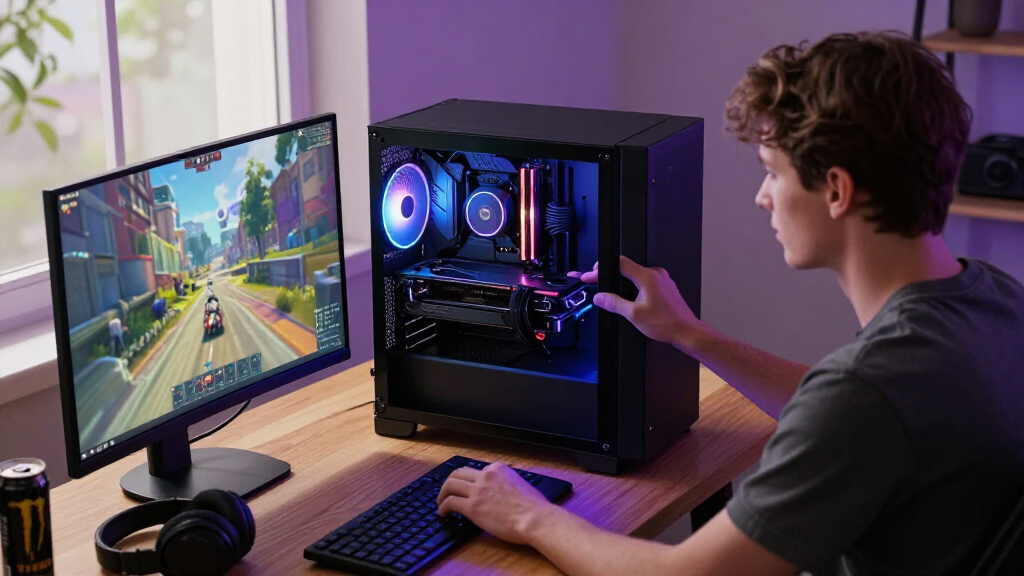

🔍 Read the full analysis: How To Choose Among The 10 Best AI Graphics Cards For Gaming In 2026 on ThorstenMeyerAI.com
TL;DR
A ThorstenMeyerAI.com buyer’s guide ranks ten graphics cards for 2026 gaming builds, led by the GIGABYTE Radeon RX 9070 XT Gaming OC 16G as the top general pick. The guide groups the cards by intended use: high-end gaming (RX 9070 XT, RTX 5080), mid-range (RTX 5070), and legacy display or budget-upgrade roles (RX 580, GT 730, GT 740).
ThorstenMeyerAI.com has published its 2026 ranking of ten graphics cards for gaming PCs, naming the GIGABYTE Radeon RX 9070 XT Gaming OC 16G as the recommended starting point for most builds. The guide organizes the ten picks into three tiers — current high-performance gaming GPUs, a more restrained current-generation option, and legacy cards for narrow upgrade or display needs — and argues that choosing among them depends more on system fit, power supply, and intended use than on model names alone.
The ranking is built around the job a buyer actually needs done, according to the guide’s author. The top tier consists of the RX 9070 XT and three RTX 5080 variants, all with 16GB of graphics memory. The ASUS Prime GeForce RTX 5070 is positioned as a step down in memory capacity and overall positioning, while the older RX 580 (8GB), GT 730, and GT 740 fill legacy and display-output roles rather than serving as modern gaming alternatives.
1. GIGABYTE Radeon RX 9070 XT Gaming OC 16G — Top Pick
The guide’s recommended card for most gaming PCs, pairing a current-generation GPU with 16GB of memory. It is described as the best-balanced choice for buyers building a mainstream gaming system in 2026.
2. ASUS Prime Radeon RX 9070 XT — Same GPU, Different Board
This card shares the same GPU class as the GIGABYTE pick. The guide stresses that cooler design, card dimensions, and system fit differentiate the two more than branding, and buyers should compare them as separate board designs rather than interchangeable packages.
3. ASUS Prime GeForce RTX 5070 — The Measured Option
Described as “a more measured option,” the RTX 5070 offers a current-generation route with less memory capacity than the 16GB cards. It suits buyers who want modern gaming hardware without the premium tier’s cost and power demands.
4. ASUS ROG Astral RTX 5080 (White) — Premium Build Aesthetics
Among the three RTX 5080 variants, the ROG Astral White is singled out for its distinctive build appearance, aimed at buyers designing around a specific look. It carries the same 16GB memory and GPU class as the other 5080 options.
5. First Additional RTX 5080 Variant — Cooler-Led Choice
The guide treats the three RTX 5080 cards as premium variants of the same GPU, advising buyers to compare them primarily on cooler performance and physical fit in their case rather than on small specification differences.
6. Second Additional RTX 5080 Variant — Fit and Thermals
For this variant as with the others, the guide’s advice is to verify exact dimensions and slot coverage before ordering, since a large cooler narrows the range of compatible cases even when the GPU is identical.
7. Radeon RX 580 (8GB) — The In-Between Legacy Card
The RX 580 sits between the display-focused legacy cards and the modern gaming GPUs, a distinction that matters even more if you’re comparing cards for AI and neural network workloads. Its 8GB of memory may suit an older budget system, but the guide cautions that its age makes platform condition and game expectations the deciding factors.
8. GeForce GT 740 — Low-Profile Solution
The GT 740 addresses a physical constraint that full-size gaming cards cannot: its low-profile format fits compact cases where no gaming card would physically fit.
9. GeForce GT 730 — Display Support, Not Gaming
The GT 730’s multiple display outputs serve buyers adding monitors to a system, according to the guide. Its outputs do not make it a current gaming alternative.
10. Matching Any Pick to the Build
The tenth slot in the guide’s framework is the decision process itself: match the GPU to your games, resolution, and expected detail level; check case clearance; confirm power supply capacity and connectors; and choose memory for the workload — not the largest number on the box.
The 10 picks
- 1
 ASUS ROG Astral GeForce RTX 5080 16GB GDDR7 White OC Edition Graphics CardView on Amazon →
 - 2
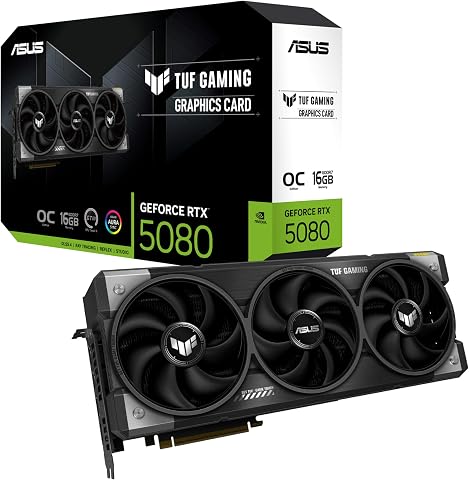 ASUS TUF Gaming GeForce RTX 5080 16GB GDDR7 OC Edition Graphics CardView on Amazon →
 - 3
 GIGABYTE GeForce RTX 5080 Gaming OC 16G Graphics CardView on Amazon →
 - 4
 ASUS Prime NVIDIA GeForce RTX 5070 OC Edition Graphics CardView on Amazon →
 - 5
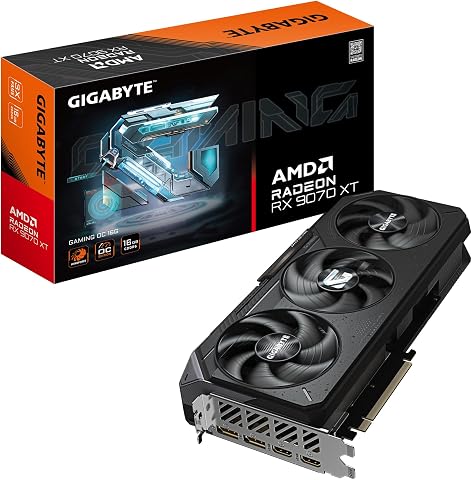 GIGABYTE Radeon RX 9070 XT Gaming OC 16G Graphics CardView on Amazon →
 - 6
 ASUS Prime Radeon RX 9070 XT 16GB GDDR6 OC Edition Gaming Graphics CardView on Amazon →
 - 7
 ASRock Radeon RX 9070 Challenger 16GB OC Graphics Card, RDNA 4, 2520MHz Boost…View on Amazon →
 - 8
 Kelinx AISURIX RX 580 8GB GDDR5 Graphics Card with Dual HDMI and DisplayPortView on Amazon →
 - 9
 GT 730 Graphics Card 4GB DDR3 64-bit with HDMI, DisplayPort, VGAView on Amazon →
 - 10
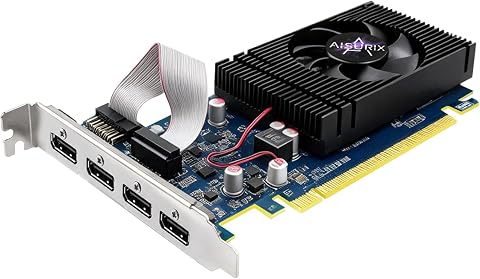 AISURIX GT 740 4GB GDDR5 Low-Profile Graphics Card with 4 HDMI PortsView on Amazon →
Why Fit and Power Now Outrank Model Names
The guide’s central argument matters because 2026’s card lineup spans a wider performance gap than ever within a single shopping list — from 4GB display cards to 16GB current-generation GPUs. Buyers who compare model names without checking case dimensions, power supply headroom, and tested frame rates risk a stalled build or an unstable upgrade, the guide warns. Powerful RTX 5080 and RX 9070 XT cards in particular may require a power supply upgrade even in an otherwise compatible PC, so the true cost of the card can extend beyond its price tag. The guide also cautions against improvised power adapters without checking manufacturer guidance, a safety-relevant point for upgraders.
How the Ten Picks Were Ranked
According to ThorstenMeyerAI.com, cards were ranked by how well they suit the likely job implied by the purchase: current gaming, upgrading an older PC, or adding display support. Gaming picks were weighted by GPU generation, memory capacity, and position within the product family, with cooler and form-factor cues also considered. The RX 9070 XT and RTX 5080 models lead because they are the most capable classes represented; the RX 580, GT 730, and GT 740 rank lower because they address older or narrower needs despite features like extra display connections or low-profile designs. The guide also advises buyers to think ahead to their next monitor purchase, since a card bought for a future display can be a sensible upgrade if the rest of the PC can keep up.
“For most gaming PCs, I’d start with the GIGABYTE Radeon RX 9070 XT Gaming OC 16G, which pairs a current-generation GPU with 16GB of memory.”
— ThorstenMeyerAI.com guide
What the Guide Leaves Open
Several points remain unresolved. The source material does not include benchmark figures, pricing, or availability for any of the ten cards, so the ranking reflects the guide’s editorial judgment rather than published test data. The exact model names of two of the three RTX 5080 variants are not specified beyond the ROG Astral White, and readers would need to consult the full guide or retailer listings for those details. The guide’s recommendations also depend on individual system conditions — power supply quality, case clearance, and platform age — which vary by buyer and cannot be verified generically.
Steps Before Buying Any Pick
Buyers following the guide’s framework should next measure case clearance from the rear expansion slots to nearby obstructions, confirm the manufacturer’s recommended power supply and connectors for the chosen card, and seek out performance tests for the specific games and resolution they play. The guide also recommends checking whether memory limits cause stutter in target titles before committing, and planning the full system cost — including any power supply upgrade — before purchase. Updated pricing and stock for 2026 models will determine the final value comparison among the ten picks.
Key Questions
Which graphics card does the guide recommend most for 2026 gaming?
The GIGABYTE Radeon RX 9070 XT Gaming OC 16G is the guide’s starting recommendation for most gaming PCs, pairing a current-generation GPU with 16GB of memory.
Are the GT 730 and GT 740 viable for modern gaming?
No. According to the guide, these cards serve display and compact-PC needs — multiple outputs or low-profile format — and are not current gaming alternatives.
What is the difference between the ASUS Prime and GIGABYTE RX 9070 XT cards?
They share the same GPU class. The guide says differences in cooler design, card dimensions, and system fit matter more than the brand name, so they should be compared as separate board designs.
Does more graphics memory mean better performance?
Not by itself. The guide states that more memory alone does not make an older GPU fast; GPU capability remains central, and memory matters mainly as resolution and workload size rise.
What should buyers check before ordering a high-end card?
Confirm exact card dimensions against case clearance, verify power supply capacity and connectors with headroom for the rest of the system, and avoid improvised adapters without checking manufacturer guidance.
Source: ThorstenMeyerAI.com