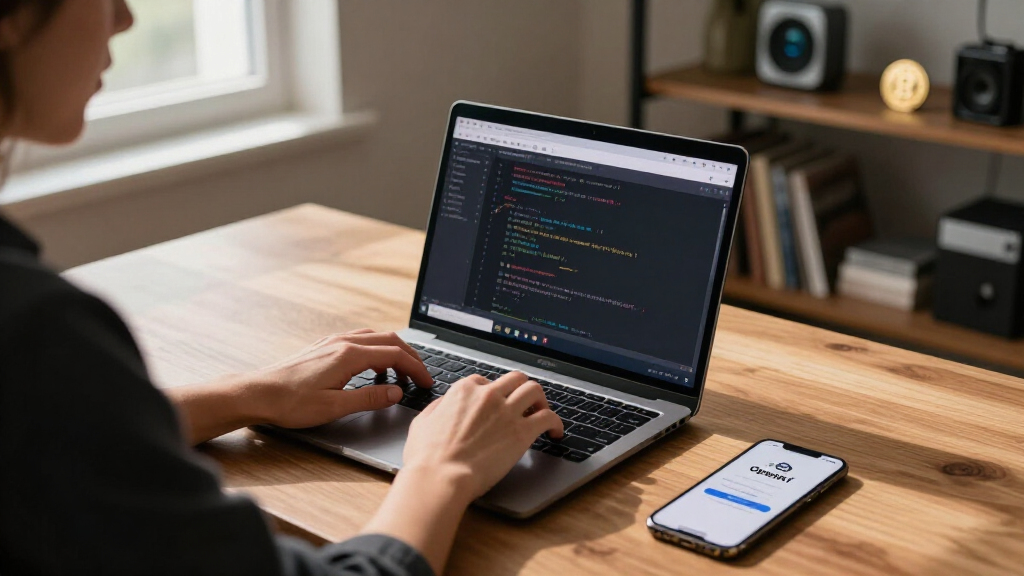

📊 Full opportunity report: OpenAI's Cursor Shutdown: A Crisis For AI Developers? on ThorstenMeyerAI.com — validation score, market gap, and execution plan.

Get hardware and tech essentials delivered free with Prime
- Fast, free delivery on millions of items
- Prime Video, Amazon Music and more included
- Member-only deals all year
TL;DR
OpenAI will shut down its model support for Cursor by November 12 following SpaceX’s acquisition of Cursor. The move stems from corporate trust concerns, affecting developers relying on the tool. The dispute highlights risks for AI developers caught in corporate conflicts.
OpenAI has confirmed it will cease providing its AI models to Cursor, the popular coding assistant, by November 12, 2026, citing concerns over the new ownership by SpaceX. This decision directly impacts developers who rely on Cursor’s integration of OpenAI’s models, raising questions about the stability of third-party AI tools amid corporate disputes.
On August 28, 2026, OpenAI announced it would wind down its contract with Cursor, a coding tool that emerged from OpenAI’s startup accelerator in 2024. The move follows SpaceX’s recent acquisition of Cursor through its purchase of Anysphere, finalized on August 15, 2026, in a deal valued at over $60 billion. OpenAI’s decision to cut off access is scheduled for November 12, 2026, aligning with the maximum notice period allowed by their contract.
OpenAI’s reasoning centers on trust concerns, citing past instances where companies under Musk’s control, such as Twitter (now part of SpaceX), allegedly violated OpenAI’s terms of service. OpenAI claims that Musk’s companies have previously breached contracts and used OpenAI data improperly, which fuels their decision to restrict access. Both SpaceX and Cursor have not publicly responded to these claims as of now.
Developers using Cursor’s platform now face the imminent loss of access to OpenAI’s models, despite having no part in the corporate disputes. These users relied on Cursor for AI-powered coding assistance, and their work could be disrupted without alternative arrangements. The move underscores how corporate control shifts can have immediate consequences for third-party developers and end-users.
OpenAI will stop supplying its models to Cursor (shutoff Nov 12) now that SpaceX owns it. The lesson underneath has nothing to do with whose side you’re on.
Impact on Developers and AI Ecosystem Stability
This decision highlights the vulnerability of third-party AI developers to corporate disputes and control changes. Developers who integrated OpenAI’s models into Cursor now face potential disruption, with no direct influence over corporate decisions. The move also raises broader questions about the stability and trustworthiness of AI tool ecosystems, especially as ownership structures become more complex and competitive tensions rise. For the AI community, it underscores the importance of diversifying dependencies and understanding contractual risks when building on external platforms.
As an affiliate, we earn on qualifying purchases.
Corporate Control Changes and AI Model Support Risks
The background involves SpaceX’s recent corporate moves: in May 2026, Elon Musk merged SpaceX with his AI company xAI, valued at around $250 billion, and in June, SpaceX went public. Subsequently, SpaceX acquired Anysphere in a $60 billion all-stock deal, making Cursor a wholly owned subsidiary. Cursor’s origins trace back to OpenAI’s startup accelerator, and its recent change of control prompted OpenAI’s contractual response. Historically, OpenAI has been cautious about third-party integrations, but this move underscores the risks associated with rapid corporate mergers and acquisitions in the AI sector.
OpenAI’s announcement aligns with their contractual rights, citing the change of control and concerns over compliance. The dispute is part of a broader pattern of tension between OpenAI and Musk-controlled entities, though the immediate impact is on the developers and users of Cursor, who now risk losing access without fault on their part.
AI developer productivity software
As an affiliate, we earn on qualifying purchases.
As an affiliate, we earn on qualifying purchases.
Unresolved Questions About Future Support and Developer Impact
It remains unclear whether OpenAI will revisit support for Cursor after further negotiations or if alternative arrangements will be offered. The response from SpaceX and Cursor has not yet been made public, and the extent of the disruption for developers is still emerging. Additionally, the full scope of the trust concerns and whether they will influence future API support decisions across other third-party tools remains uncertain.
As an affiliate, we earn on qualifying purchases.
Next Steps for Developers and Corporate Stakeholders
Developers relying on Cursor should prepare for the upcoming shutdown on November 12, exploring alternative AI coding tools or negotiating directly with OpenAI for support extensions. OpenAI and SpaceX are likely to enter discussions, but no official resolutions have been announced. Observers will watch for any new contractual agreements or public statements that could mitigate the disruption. Meanwhile, the broader AI developer community may reassess dependencies on third-party integrations with major corporations.
As an affiliate, we earn on qualifying purchases.
Key Questions
Will developers be able to access Cursor after November 12?
As of now, OpenAI has announced that support will end on November 12, with no indication of an extension or alternative support. Developers should prepare for potential loss of access.
Why did OpenAI decide to cut support for Cursor?
OpenAI cited trust concerns related to recent control changes after SpaceX’s acquisition of Cursor, including alleged contract breaches and data misuse by Musk’s companies, as the primary reasons.
Could this decision affect other third-party AI tools?
Potentially. This move highlights risks associated with rapid corporate mergers and control shifts, which could impact other integrations relying on OpenAI’s models or similar dependencies.
What are the implications for AI developers relying on third-party tools?
This situation underscores the importance of diversifying dependencies and understanding contractual risks when building on external AI platforms, as corporate disputes can lead to sudden disruptions.
Source: ThorstenMeyerAI.com
Columbus Day / Indigenous Peoples' Day Picks
long weekend sales
As an affiliate, we earn on qualifying purchases.