TL;DR

Get hardware and tech essentials delivered free with Prime
- Fast, free delivery on millions of items
- Prime Video, Amazon Music and more included
- Member-only deals all year
Researchers are developing a method for consumers to use smartphone cameras with guided lighting to accurately measure teeth shade. This technology aims to provide objective feedback on whitening progress, reducing guesswork in home treatments.
Phone cameras combined with guided lighting are being tested as a tool for accurate teeth shade measurement in home whitening routines. This development aims to provide consumers with an objective way to track whitening progress, addressing a longstanding challenge in at-home dental care. The initiative is currently in the testing phase, with initial benchmarks comparing app-based shade scores to dentist measurements.
Home teeth whitening products—such as strips, trays, and LED kits—are widely used but lack an objective measurement system for tracking progress. Currently, users rely on visual assessment in bathroom mirrors, which can be inaccurate and subjective. To address this, researchers and developers are exploring the use of smartphone cameras paired with guided lighting to capture consistent, calibrated images of teeth.
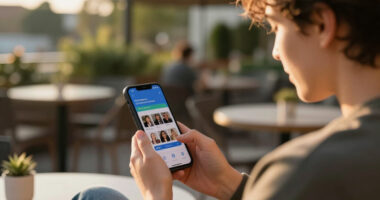
The proposed system involves a guided-lighting photo flow where users take images of their teeth under controlled lighting conditions. These images are then analyzed against a standardized dental shade scale, similar to professional VITA shade guides used by dentists. The goal is to generate a score that reflects the current shade of a user’s teeth and track it over time, providing visual progress graphs and personalized product recommendations based on the user’s starting shade and whitening response.
Initial validation efforts involve benchmarking app scores against dentist-assessed VITA shade readings for around fifty users. Early results suggest that a strong correlation could validate the app as a reliable measurement tool, potentially enabling consumers to make more informed decisions about their whitening products and routines.
Impact of Smartphone Shade Measurement on Home Whitening
This technology could significantly improve the accuracy and objectivity of teeth whitening progress tracking at home. By providing measurable data, it reduces the guesswork and frustration often experienced by consumers. The ability to see quantifiable improvements may also increase user confidence and satisfaction, potentially leading to better adherence and results. Additionally, the system could create new revenue streams for companies through subscription models and affiliate sales of proven whitening products.
As an affiliate, we earn on qualifying purchases.
Background of Teeth Shade Tracking Technologies
Traditionally, teeth shade assessment has relied on visual comparison with shade guides or professional dental evaluations. While dentists use calibrated tools like VITA shade guides, at-home users lack access to such precise measurements. Previous attempts at digital solutions have included camera-based apps, but inconsistent lighting and user error have limited reliability. The recent integration of guided lighting aims to overcome these limitations by standardizing image capture conditions, making smartphone-based shade measurement more feasible.
This approach aligns with the broader trend of consumer health and beauty tech, where objective measurement tools are increasingly integrated into everyday routines. The rise of at-home whitening products has created a demand for better tracking solutions, which this new method seeks to fulfill.
“Using guided lighting with smartphone cameras can approximate professional shade readings, providing a new level of objectivity for home whitening users.”
— an anonymous researcher
smartphone teeth whitening monitor
As an affiliate, we earn on qualifying purchases.
As an affiliate, we earn on qualifying purchases.
Uncertainties in Validation and User Experience
While early benchmarks are promising, it remains unclear how well the app-based shade scores will correlate with dentist assessments across diverse populations and lighting conditions. Further testing is needed to determine reliability, ease of use, and consistency in real-world settings. Additionally, questions about user compliance with guided lighting protocols and the potential need for calibration adjustments are still under investigation.
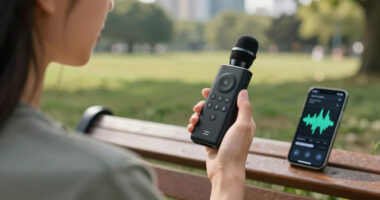
guided lighting teeth shade device
As an affiliate, we earn on qualifying purchases.
As an affiliate, we earn on qualifying purchases.
Next Steps for Development and Validation
Developers plan to expand testing to larger user groups, refine the guided-lighting process, and improve the app’s analysis algorithms. The next milestone involves validating the system against professional dental shade assessments in a broader sample. If successful, the technology could be integrated into commercial apps for home use, with subscription options and product recommendations based on measured progress.
As an affiliate, we earn on qualifying purchases.
Key Questions
How accurate can phone cameras be for teeth shade measurement?
Initial studies suggest that with guided lighting, phone cameras can approximate professional shade readings, but further validation is needed to confirm accuracy across diverse users and conditions.
Will this technology replace dentist assessments?
It is unlikely to replace professional assessments but could serve as a reliable tool for consumers to track their whitening progress objectively at home.
How does guided lighting improve measurement reliability?
Guided lighting standardizes the illumination conditions, reducing variability caused by ambient light and user error, leading to more consistent and accurate images.
When might this technology be available to consumers?
Development is ongoing, with further testing and validation needed before potential commercial release, which could happen within the next year or two.
Are there privacy concerns with using smartphone cameras for teeth measurement?
As with any app collecting personal images, privacy policies and data security measures will be important considerations before widespread adoption.
Source: IdeaNavigator AI
Fall Picks
fall essentials
As an affiliate, we earn on qualifying purchases.